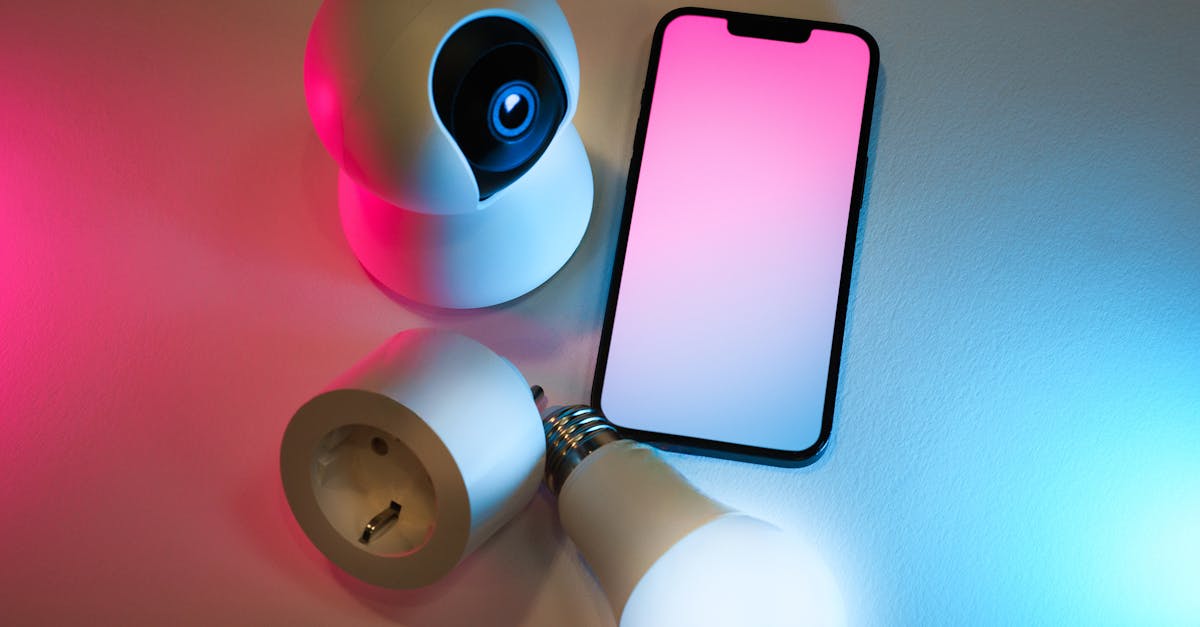
The world of smart lighting can feel like a maze, especially when you’re trying to decide between seemingly similar devices like smart plugs and smart switches. “They both turn lights on and off, right?” my friends often ask, usually with a hint of exasperation. While that’s technically true, the real-world impact and long-term value of each are vastly different. In my experience, most people choose smart plugs first due to their lower upfront cost and perceived ease of installation, only to hit a wall when trying to achieve true whole-room automation or a truly seamless smart home experience. What changed everything for me was understanding that smart plugs are a gateway, but smart switches are the destination for proper lighting control.
I’ve seen countless homes—including my own, in its early smart home days—littered with smart plugs. They’re great for a lamp here, a fan there. But when it comes to the primary lighting in a room, the ceiling lights, the recessed lights, or even a wall-controlled floor lamp, smart plugs introduce more friction than convenience. The mistake I see most often is treating smart plugs and smart switches as interchangeable, when in reality, they serve fundamentally different purposes in a well-integrated smart home lighting system.
This isn’t about ditching smart plugs entirely; they have their place for specific use cases. This is about making an informed decision for your core lighting infrastructure, understanding where each device shines, and, more importantly, where each falls short, particularly when you consider the overall convenience, aesthetics, and functionality of your smart home.
Key Takeaways
- Smart switches provide superior, integrated control for primary room lighting, maintaining traditional wall switch functionality.
- Smart plugs are best suited for secondary, movable fixtures like table lamps, offering quick smart conversion without electrical work.
- Prioritize smart switches for overhead and hardwired fixtures for seamless whole-room automation.
- Always consider the ‘human factor’ – smart switches keep traditional switch behavior for guests and family.
Smart Switches Win for Primary Room Lighting Control
When it comes to the main illumination in any room – ceiling lights, recessed lighting, or even a wall-controlled pendant – smart switches are unequivocally the better investment for seamless control. The fundamental advantage of a smart switch is that it replaces your existing wall switch, integrating directly into your home’s electrical wiring. This means it controls the power going to the fixture, regardless of the bulb type (smart or dumb). Why is this critical? Because it maintains the traditional ‘switch on, lights on’ functionality that every human instinctively understands. Imagine walking into a room and flipping the wall switch, only for nothing to happen because a smart bulb in the fixture was previously turned off via an app. That’s the headache smart plugs introduce for primary lighting. I call this the ‘human factor’ – a smart home should enhance, not complicate, everyday interactions for everyone in the house, including guests or children who aren’t fluent in smart home apps.
In my own home, the first thing I upgraded was every single wall switch controlling overhead lights. The immediate benefit was profound. I could still use the physical switch, but now that switch was smart. It could be programmed into routines, controlled by voice, or integrated into scene settings. For instance, my living room has five recessed lights. If I had tried to make them smart with individual smart bulbs, the physical switch would always need to be left ‘on’ for the bulbs to receive power and respond to smart commands. This is frustrating when someone inevitably flips the switch off, rendering the smart bulbs useless until manually reset. With a smart switch, the entire fixture is smart, and the bulbs themselves can be standard LEDs, simplifying future replacements and reducing overall cost. The smart switch ensures power is always available to the bulbs (unless I explicitly turn it off via the switch or app), allowing for consistent smart control while still offering a physical override that everyone understands. This alone justifies the slightly higher cost and installation effort of a smart switch for primary lighting. It’s about empowering smarter control without sacrificing intuitive human interaction.
Smart Plugs Excel for Secondary, Movable Fixtures
While smart switches dominate for primary, hardwired lighting, smart plugs find their sweet spot in bringing smart capabilities to secondary, movable fixtures. Think table lamps, floor lamps, decorative string lights, or even small appliances like coffee makers or fans. Their appeal lies in their simplicity: plug it in, pair it, and you’ve got smart control. There’s no electrical wiring involved, making them an ideal DIY solution for renters or anyone hesitant to delve into their home’s electrical system.
In my office, I use a smart plug for a vintage desk lamp. This lamp holds a unique aesthetic value, and I certainly wasn’t going to replace it. A smart bulb could have worked, but a smart plug was simpler and meant I could use an inexpensive, standard LED bulb. Now, when I say “Hey Google, good morning,” not only do my overhead lights brighten via their smart switch, but my desk lamp also comes on, perfectly integrated into my morning routine. The key here is that the desk lamp isn’t the primary light source; it’s an accent, and its physical switch is easily accessible, or I can simply leave it ‘on’ and control it entirely through the smart plug. If someone accidentally turns off the desk lamp’s physical switch, it’s a minor inconvenience to flip it back on, not a system-wide frustration.
Similarly, a smart plug is excellent for holiday decorations. Rather than fumbling with outdoor timers, I can plug in my string lights, schedule them to come on at dusk, and turn off at midnight. The context matters: these are not fixtures I’d ever consider hardwiring or putting on a smart wall switch. They are temporary, portable, and benefit immensely from the quick-and-easy smart conversion a plug offers. The distinction is crucial: smart plugs add smartness to individual devices; smart switches create a smart lighting system.
The Installation and Aesthetic Trade-offs
The most significant initial hurdle for smart switches is installation. They require basic electrical knowledge – turning off the breaker, wiring hot, load, neutral, and sometimes ground wires. This is often intimidating for the average homeowner and might necessitate hiring an electrician, adding to the cost. However, this one-time effort results in a clean, integrated aesthetic. A smart switch looks like it belongs on the wall, maintaining the home’s original design language without unsightly bulky adapters.
Smart plugs, on the other hand, are a breeze to install. You just plug them into an existing outlet, and then plug your device into the smart plug. No wiring, no tools, no electrician. This ease of installation is a major selling point. However, they come with an aesthetic trade-off. They occupy an outlet, often sticking out noticeably, and if placed in a double outlet, they can sometimes block the second receptacle. I’ve found that some of the more compact smart plugs are better, but many still add bulk to a wall. For a permanent lighting solution, this can look cluttered and unprofessional. For instance, in my living room, replacing five wall switches with smart switches was a significant but ultimately worthwhile task. The result is five sleek, identical smart switches that blend into the decor. If I had opted for smart plugs, I’d have five clunky adapters jutting out from my outlets, not to mention the aforementioned ‘human factor’ issues.
The long-term value extends beyond aesthetics. A hardwired smart switch is generally more reliable and has a cleaner signal path than a smart plug, which might contend with interference or weaker Wi-Fi signals in certain spots. When you’re building a reliable smart home, these small differences accumulate. A smart switch is a permanent upgrade to your home’s infrastructure, while a smart plug is a peripheral add-on. For lighting you interact with daily and expect to be reliable, the investment in a smart switch pays dividends in stability and user experience.
Cost Versus Long-Term Value and Flexibility
On the surface, smart plugs appear to be the more budget-friendly option. You can often find a multi-pack of smart plugs for the price of a single smart switch. This low entry barrier is appealing, especially for those just dipping their toes into smart home technology. However, my experience has taught me that the initial cost savings of smart plugs often belie a higher long-term cost in terms of functionality, aesthetics, and overall user satisfaction, particularly for primary lighting.
Consider a room with multiple ceiling lights controlled by a single wall switch. If you wanted to make those lights smart using smart bulbs and maintain independent control over each bulb (which is a common desire), you’d need several smart bulbs – often more expensive than a single smart switch. Furthermore, you’d still contend with the issue of the physical wall switch needing to remain ‘on’. If you chose individual smart plugs for lamps in a room, you’d need multiple plugs, taking up valuable outlet space and adding to visual clutter. A single smart switch, by contrast, takes care of all hardwired lighting on that circuit efficiently and cleanly.
The flexibility argument also strongly favors smart switches for core lighting. A smart switch can control any bulb type – standard LEDs, incandescent, or even smart bulbs if you want layered control. If you start with smart bulbs but decide you prefer a different brand or feature set later, you can swap them out without affecting the smart control from the wall switch. With a smart plug, the intelligence resides in the bulb if you’re using a smart bulb, or in the plug itself if you’re using a ‘dumb’ bulb. This limits your choices down the line. Investing in smart switches for your home’s foundation provides a future-proof solution, allowing you to easily adapt your lighting setup without a complete overhaul. My advice is to always invest in the infrastructure first; the peripherals can follow.
When to Consider a Hybrid Approach
While I advocate strongly for smart switches as the backbone of your smart lighting system, a truly optimized smart home often employs a hybrid approach, leveraging the strengths of both devices. This means strategic deployment: smart switches for all primary, hardwired lighting and smart plugs for everything else. This maximizes convenience, maintains intuitive control, and still offers the cost-effective flexibility for less critical or temporary lighting needs.
For example, in my living room, all overhead lighting is controlled by a smart switch. But the two floor lamps flanking the sofa? Those are on smart plugs. Why? Because they are secondary light sources, easily controlled by voice, and I don’t typically use their physical switches. If someone accidentally turns off the physical switch on a floor lamp, it’s a quick fix. If I want to move the lamp to another room, the smart plug simply moves with it. This compartmentalization works brilliantly. It ensures the most critical, frequently used lighting (overhead) has the most robust and user-friendly control (smart switch), while the flexible, less critical lighting (lamps) benefits from the easy integration of a smart plug.
This hybrid strategy also allows for phased implementation. You can start by replacing your most-used wall switches with smart switches, slowly building out your core smart lighting system. As your budget allows, or as new needs arise, you can then incorporate smart plugs for accent lighting, holiday decorations, or other small appliances. This prevents the overwhelm of a complete smart home overhaul and allows you to experience the benefits incrementally, confirming which solutions truly add value to your unique living situation.
Frequently Asked Questions
Do I need a neutral wire to install a smart switch?
Yes, in most cases, you will need a neutral wire in your electrical box to install a smart switch. This wire provides continuous power to the smart switch, even when the light is off, allowing it to maintain its smart connectivity. Older homes, especially those built before the 1980s, may lack a neutral wire, making installation more challenging or requiring professional electrical work to run one. Always check your wiring before purchasing a smart switch.
Can smart plugs dim lights?
Some smart plugs offer dimming capabilities, but not all. It’s crucial to check the product specifications. For smart plugs that do offer dimming, they typically achieve this by controlling the power delivered to a dimmable bulb. However, they generally lack the smooth, consistent dimming range often found in dedicated smart dimmable switches, which are designed specifically for lighting control.
What if I have a 3-way switch setup?
Many smart switch brands offer specific models designed for 3-way switch configurations (where two switches control the same light fixture). These usually come in pairs or require a specific ‘add-on’ switch. It’s important to buy the correct type of smart switch for your 3-way setup, as standard single-pole smart switches will not work correctly in this configuration.
Are smart switches compatible with all smart home platforms?
Compatibility varies significantly by brand and model. Some smart switches are designed for specific ecosystems like Apple HomeKit, Google Home, or Amazon Alexa. Others use universal protocols like Zigbee or Z-Wave, which require a compatible hub. Always check the compatibility list of a smart switch with your existing smart home platform before purchasing to ensure seamless integration.
Can smart plugs interfere with Wi-Fi?
Potentially, yes. Smart plugs, especially those that use Wi-Fi, communicate over your home network. If you have too many Wi-Fi devices or your router is older/underpowered, a large number of smart plugs (or any Wi-Fi smart devices) can contribute to network congestion and slower Wi-Fi speeds. Opting for Zigbee or Z-Wave smart devices, which use a separate mesh network, can alleviate some of this potential congestion.
The Smart Lighting Blueprint
Ultimately, choosing between smart plugs and smart switches for your lighting boils down to understanding their distinct roles. For the foundational, primary lighting in your home – those overhead lights, wall-controlled fixtures, and anything you interact with daily via a wall switch – smart switches offer a superior, integrated, and intuitively familiar experience. They become part of your home’s infrastructure, providing reliability and a clean aesthetic. Smart plugs, while excellent for their ease of use and portability, are best reserved for secondary, movable fixtures where traditional wall control isn’t a primary concern. Don’t fall into the trap of letting a lower upfront cost dictate a less-than-optimal experience for your main lighting. Invest in smart switches for the core, and supplement with smart plugs for the periphery. This layered approach is what truly unlocks the potential of smart home lighting, giving you both powerful automation and effortless everyday control. Start by identifying your hardwired lighting, then choose the smart switch that fits your ecosystem. Your future self (and your houseguests) will thank you.