The flicker of a smartphone screen at midnight, the harsh glare of overhead kitchen lights first thing in the morning – we’ve all been there. For years, my personal lighting habits were a chaotic mess. My mornings started with a jolt from bright, cool-white LEDs, and my evenings often ended under the same unforgiving light, despite knowing better. I’d read countless articles on the importance of circadian rhythms and how light exposure impacts sleep, mood, and productivity, but implementing real change felt like another item on an endless to-do list. The problem wasn’t a lack of information; it was a lack of a practical, integrated system.
Then, about a month ago, I decided to go all-in on circadian rhythm lighting. My goal was simple: synchronize my indoor lighting with the natural progression of the sun, from dawn to dusk. I wasn’t just dimming lights at night; I was meticulously calibrating color temperature and intensity throughout the day. It felt like a significant undertaking, involving smart bulbs, a smart hub, and a good deal of programming, but I was determined to see if the hype was real. Could simply changing my light environment genuinely transform my daily well-being? The answer, in short, was a resounding yes, but not without some unexpected hurdles and crucial lessons.
Key Takeaways
- Implementing a fully automated circadian lighting system significantly improved my sleep quality and morning alertness.
- The biggest mistake I initially made was underestimating the impact of subtle color temperature shifts on mood and focus throughout the day.
- True circadian lighting requires a combination of smart bulbs capable of wide color temperature ranges and a robust automation hub.
- Don’t overlook the importance of manual overrides and fine-tuning to personalize the system to your specific daily flow.
The Morning Awakening: Ditching the Alarm Clock Jolt
My mornings used to be a battle. Even with a gentle alarm, the sudden transition from darkness to full alertness was jarring. The first, most dramatic change with circadian lighting was my simulated sunrise. I programmed my bedroom and bathroom lights to slowly increase in brightness and shift from a deep, warm amber (around 1800K) to a brighter, cooler white (around 4500K) over a 30-minute period, starting about 15 minutes before my desired wake-up time. The light would reach about 40% intensity by the time I needed to be up.
The difference was immediate and profound. Instead of being ripped from sleep, I found myself naturally stirring as the light grew. By the time my audible alarm (which I kept as a backup, just in case) softly played, I was already mostly awake, feeling a sense of calm rather than dread. This wasn’t just about feeling less groggy; I noticed a genuine improvement in my mood and cognitive function within the first week. The gradual light exposure signals to your brain to reduce melatonin production and prepare for wakefulness, aligning perfectly with our natural biology. In my experience, this gentle awakening dramatically reduced my morning stress and set a much more positive tone for the entire day. It’s far more effective than any single smart alarm clock because it leverages your home’s entire lighting ecosystem.
The Midday Boost: Harnessing Cool Tones for Focus
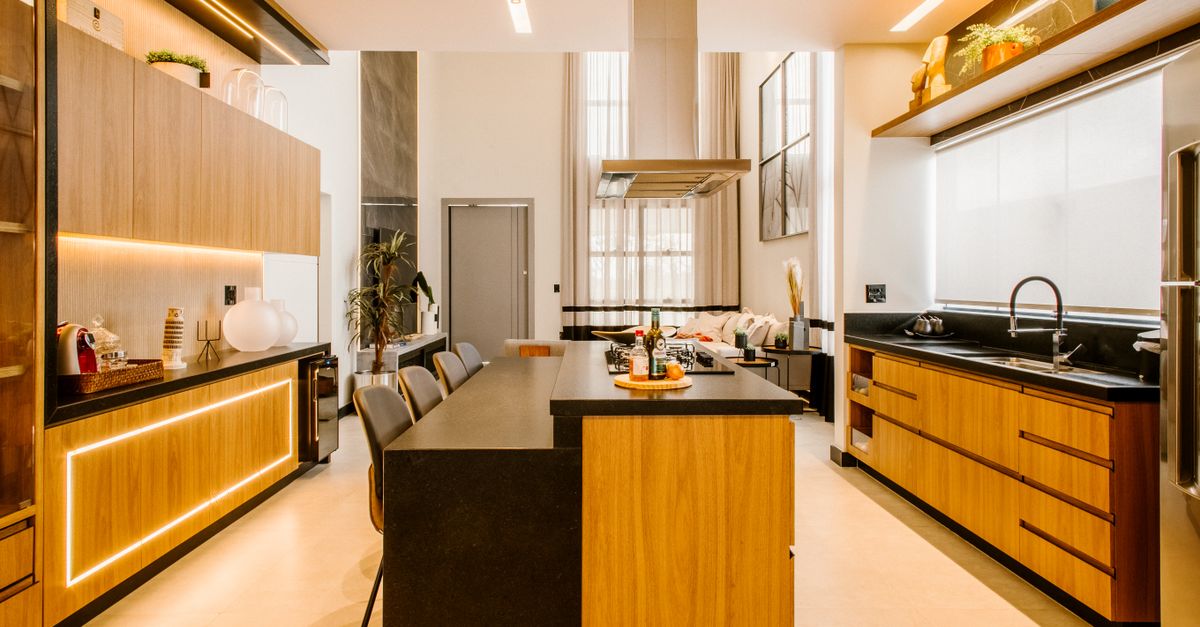
Conventional wisdom often tells us to avoid cool-white light. While true for evenings, I found a powerful argument for its strategic use during peak work hours. From about 9 AM to 3 PM, my home office, kitchen, and living area lights gradually shifted to a cooler, brighter spectrum, peaking at around 5000K (a bright, neutral white) and about 80% intensity. This isn’t the harsh, blue-tinted fluorescent light of old; modern smart bulbs blend hues beautifully to create a crisp, energizing environment.
The mistake I see most often is treating all ‘white’ light as the same. The subtle shift to cooler temperatures during my work block dramatically improved my concentration and reduced midday fatigue. I felt more alert, my eyes felt less strained, and I found myself naturally taking fewer breaks to ‘recharge.’ What changed everything for me was realizing that light isn’t just about visibility; it’s a powerful tool for cognitive performance. It mimics the bright, stimulating light of the midday sun, telling your body it’s time to be productive. My afternoon slump, once a daily occurrence, became far less pronounced. However, it’s crucial to ensure this cool light remains indirect and not glaring. I paired my bulbs with diffusers and used indirect uplighting where possible to avoid harsh shadows.
The Evening Wind-Down: Embracing Amber for Melatonin Production
This was the phase I was most eager to optimize, given my struggles with winding down. Starting around 4 PM, my lighting system began its slow, deliberate transition towards warmer, dimmer tones. By 6 PM, the coolest lights were off, and everything else was gradually dimming, shifting from 3000K to a very warm 2200K by 8 PM, and then to a deep amber (1800K) at minimal intensity (around 5-10%) by 9 PM. All overhead lights were automatically off, leaving only lamps with very warm bulbs.
Initially, this felt too dark and too warm. I found myself instinctively reaching for brighter switches or turning on the TV with its bright, blue-rich screen. This is where the biggest hurdle lies: breaking ingrained habits. The first few nights were challenging, requiring conscious effort to resist the urge for brighter light. But within a week and a half, my body began to adjust. I noticed I was naturally feeling sleepy earlier, around 10 PM, rather than my usual 11 PM or midnight. My sleep tracker consistently showed increased deep sleep and overall sleep efficiency. The key was commitment, letting my body adapt to the new, gentler signals. It wasn’t about imposing darkness; it was about creating an environment that gently nudged my body towards sleep, allowing natural melatonin production to kick in unimpeded. This phase is non-negotiable for anyone serious about improving sleep.
The Technology Stack: More Than Just Smart Bulbs
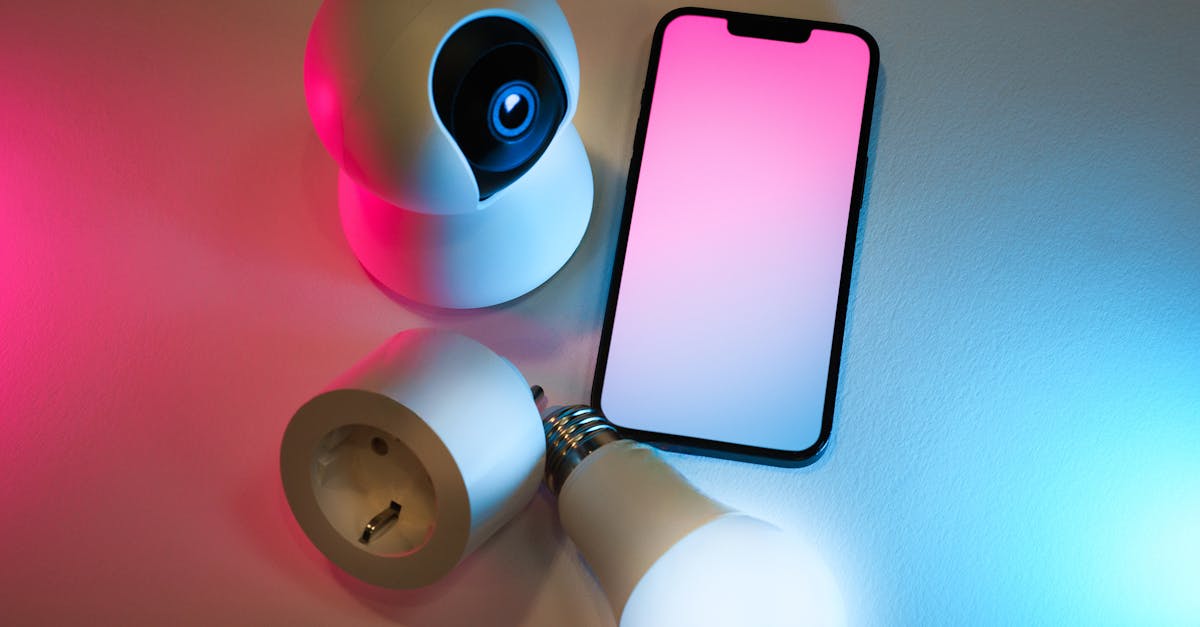
Achieving this level of dynamic lighting isn’t as simple as screwing in a few smart bulbs. While individual bulbs like Philips Hue or Nanoleaf are great, a truly synchronized circadian system requires a central hub and robust automation. I used a combination of Philips Hue bulbs (for their excellent color temperature range and reliability) and a Home Assistant hub running on a Raspberry Pi. This allowed me to create complex, time-based automations that adjusted groups of lights precisely throughout the day.
My initial thought was that a few schedule-based smart plugs for lamps would suffice, but I quickly realized the limitations. Fine-tuning the color temperature (measured in Kelvin), intensity, and even light grouping required a more powerful, local automation platform. Relying solely on cloud-based apps for such precise, frequent adjustments can lead to latency and reliability issues. For anyone considering this, invest in a dedicated hub like Home Assistant or Hubitat, which offers local control and greater customization. It’s an upfront time investment, but it pays dividends in seamless performance and peace of mind. Without it, the system would have felt clunky and frustrating rather than truly supportive.
Unexpected Benefits and Ongoing Tweaks
Beyond the obvious improvements in sleep and focus, I noticed several unexpected benefits. My overall stress levels seemed lower, likely a direct result of better sleep and a more harmonious home environment. I also found myself less prone to the late-night snack cravings that often accompany fatigue. There was a subtle yet significant shift in my perception of time; the gradual changes in light helped delineate work hours from relaxation, making my days feel more structured and less amorphous.
However, it’s not a set-it-and-forget-it system. Manual overrides are essential. There are days when I need brighter light in the evening for a specific task, or when I wake up earlier and want the ‘sunrise’ sequence to begin immediately. My Home Assistant setup allows for quick adjustments via wall switches and voice commands, ensuring flexibility. I also learned the importance of dim-to-warm bulbs for certain fixtures, which replicate the incandescent bulb effect of getting warmer in tone as they dim. This creates an incredibly cozy, natural feel that standard smart bulbs can sometimes struggle to emulate perfectly at very low intensities.
Frequently Asked Questions
What exactly is circadian rhythm lighting?
Circadian rhythm lighting, often called human-centric lighting, is a system that changes the color temperature and intensity of your indoor lights throughout the day to mimic the natural progression of the sun. It uses brighter, cooler light (high Kelvin values) during the day to promote alertness and warmer, dimmer light (low Kelvin values) in the evening to support natural melatonin production and sleep.
Is circadian lighting just about dimming lights at night?
No, it’s far more nuanced. While dimming is part of it, the key is the shift in color temperature. Warm, amber light in the evening is crucial for signaling to your brain that it’s time to wind down, while bright, neutral to cool white light during the day helps with focus and energy. Simply dimming a cool-white light won’t have the same biological impact.
What equipment do I need to set up circadian lighting?
At a minimum, you’ll need smart bulbs capable of changing both brightness and color temperature (e.g., Philips Hue, LIFX, or similar tunable white bulbs). For true automation and advanced scheduling, a smart home hub like Home Assistant, Hubitat, or even a robust smart assistant ecosystem (Alexa, Google Home) is highly recommended. For the best experience, choose bulbs with a wide Kelvin range (e.g., 2000K to 6500K) and strong integration with your chosen hub.
How long does it take to notice the effects of circadian lighting?
In my experience, I noticed subtle shifts in morning alertness and evening wind-down within the first week. More significant improvements in deep sleep and overall energy levels became apparent after about two to three weeks of consistent use. Like any biological adjustment, patience and consistency are key.
Can I use circadian lighting with existing light fixtures?
You can, provided you replace the existing bulbs with compatible smart bulbs that offer color temperature tuning. For optimal results, consider fixtures that allow for indirect lighting, as harsh overhead glare, even with the correct color temperature, can be less effective and sometimes uncomfortable.
Conclusion
My month-long experiment with fully integrated circadian rhythm lighting was genuinely transformative. It wasn’t a silver bullet for all my sleep and energy woes, but it created an environmental foundation that supported my body’s natural rhythms in a way no alarm clock or sleep supplement ever could. The initial setup required effort and a willingness to learn a new smart home system, but the daily benefits have far outweighed that investment. If you’re struggling with sleep, focus, or simply feel ‘off’ throughout the day, don’t underestimate the power of your home’s lighting. It’s a silent, yet incredibly influential, architect of your well-being. Take the first step by replacing one or two key bulbs and experimenting with warmer evening light. You might be surprised at what a little light can do.