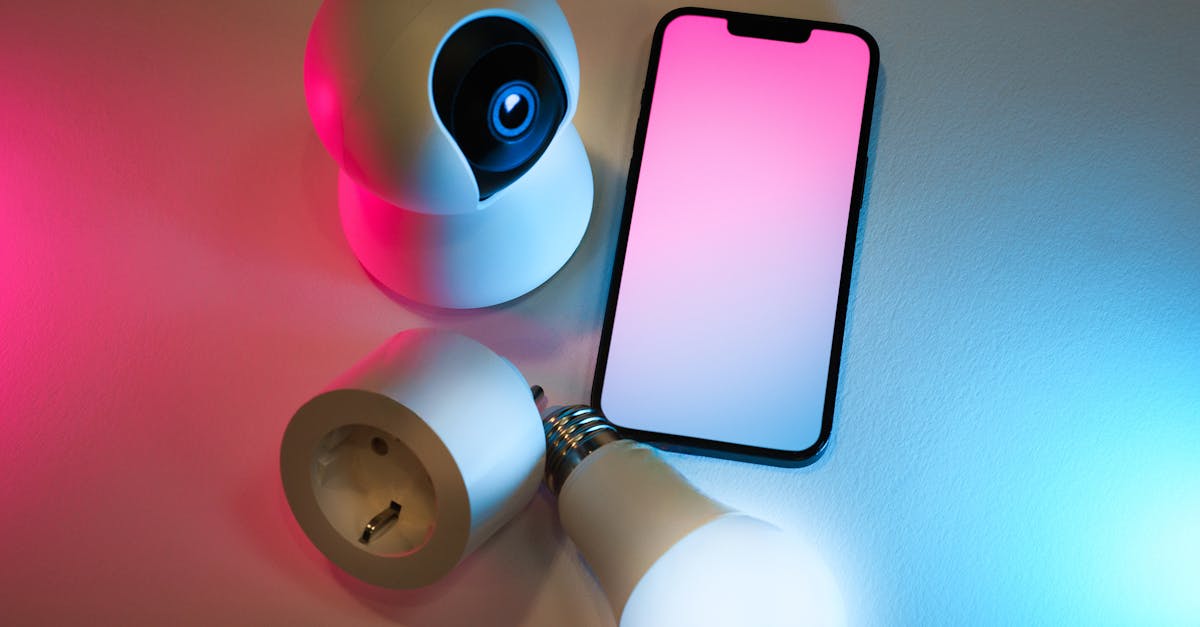
I’ve helped countless homeowners navigate the often-confusing world of smart lighting. Many come to me excited about the promise of automation and personalized ambiance, only to find themselves battling frustrating setups or a system that feels more complicated than it’s worth. The biggest mistake I see, almost universally, isn’t about choosing the wrong brand, but rather a series of common missteps in planning and implementation that steal both convenience and the very atmosphere they’re trying to create. It’s easy to get drawn in by flashy features, but without a solid understanding of how smart lighting integrates into your home, you’ll end up with a system that feels anything but smart.
Key Takeaways
- Prioritize a central control hub to avoid isolated systems and streamline management.
- Invest in smart switches, not just smart bulbs, for reliable control and guest-friendliness.
- Plan your smart lighting layout room-by-room, focusing on layers of light.
- Resist the urge to go all-in on color-changing bulbs; focus on tunable white for daily use.
- Integrate smart lighting with other smart home devices to unlock true automation.
Overlooking the Central Control Hub
When I first dipped my toes into smart lighting, I bought a couple of Wi-Fi bulbs, installed them, and thought I was set. The reality was a fragmented system where each bulb had its own app, its own connection quirks, and no way to talk to anything else. This is the mistake I see most often: users buying individual smart bulbs and then wondering why their ‘smart home’ feels anything but cohesive. The hidden cost here is immense frustration and a severe limitation on true automation.
In my experience, the biggest game-changer for smart lighting is a dedicated central control hub. This could be a SmartThings hub, an Amazon Echo with a built-in Zigbee hub, or even a robust HomeKit setup via an Apple HomePod or Apple TV. These hubs act as translators, allowing all your various smart devices, regardless of brand, to speak the same language. Without a hub, your smart lighting is often relying on your Wi-Fi network directly, which can lead to:
- Network Congestion: Too many Wi-Fi bulbs can slow down your entire home network.
- Lag and Unreliability: Wi-Fi devices are often slower to respond and more prone to connection drops than those using protocols like Zigbee or Z-Wave, which hubs utilize.
- Limited Automation: Without a central brain, creating complex routines that involve multiple devices (e.g., lights dimming when you start a movie, or turning on when a motion sensor triggers) becomes nearly impossible or incredibly clunky.
What changed everything for me was investing in a SmartThings hub. Suddenly, my Philips Hue bulbs, my Sengled Zigbee bulbs, and even my Z-Wave smart switches could all be controlled from one app, participate in the same routines, and respond instantly. It’s not just about convenience; it’s about building a robust, future-proof system that scales with your needs without turning your home network into a bottleneck. Think of it like a conductor for an orchestra – without one, every musician plays their own tune. With a hub, everything works in harmony.
Focusing Solely on Smart Bulbs Instead of Smart Switches
Another common pitfall I observe is the singular focus on replacing every standard bulb with a smart bulb. While smart bulbs are fantastic for specific applications, they come with a critical limitation: they need constant power. If someone flips the traditional wall switch off, your smart bulb loses power and becomes ‘dumb.’ This leads to endless frustration, especially for guests or family members who aren’t fluent in your smart home ecosystem.
The mistake here isn’t buying smart bulbs, but rather failing to integrate smart switches where appropriate. The specific consequence is a system that’s confusing for casual users and often unresponsive when you need it most. Imagine telling your houseguest, “Oh, don’t use that light switch, use the app!” It defeats the purpose of making your home smarter.
What actually works, in my experience, is a hybrid approach. For fixtures where you want advanced features like color changing or precise dimming, smart bulbs are ideal. Think accent lighting, bedside lamps, or entertainment areas. However, for general room lighting, especially overhead fixtures, smart switches are often the superior solution. Here’s why:
- Retains Traditional Control: A smart switch maintains the functionality of a traditional wall switch while also allowing app or voice control. If the switch is flipped off, it still cuts power, but it’s designed to be the primary control point.
- Guest-Friendly: Anyone can walk into your home and use the light switches naturally, without needing an app or voice commands.
- Cost-Effective for Multiple Bulbs: If a fixture has multiple bulbs (e.g., a chandelier with six bulbs), one smart switch can control all of them, which is often more affordable than six individual smart bulbs.
- Controls “Dumb” Bulbs: A smart switch can turn any standard, dimmable bulb into a ‘smart’ light, offering app and voice control for on/off and dimming.
My living room is a prime example: overhead lights are controlled by smart switches, ensuring anyone can use them. My accent lamps, however, have smart bulbs for tunable white and color options, tied into specific scenes. This balance eliminates frustration and maximizes convenience for everyone, without compromising advanced features where they truly shine.
Neglecting Layered Lighting Principles
Many people dive into smart lighting with the idea that more smart bulbs equal better lighting. They replace every bulb with a tunable white or color-changing smart bulb, flick them all on, and then wonder why their room feels flat or overly harsh. The mistake is treating smart lighting as just a glorified on/off and dimming function, rather than a tool to create dynamic and functional spaces. The specific consequence is a home that lacks visual depth and inviting warmth.
True ambiance comes from layered lighting, a concept interior designers have used for decades. There are three main layers:
- Ambient (General) Lighting: The main source of illumination in a room. This is typically overhead lighting, ceiling fixtures, or recessed lights. Its purpose is to provide overall brightness.
- Task Lighting: Focused light for specific activities, like reading, cooking, or working. Think under-cabinet lights, desk lamps, or reading lamps.
- Accent Lighting: Draws attention to specific features, objects, or architectural details. This includes picture lights, spot lighting on artwork, or uplighting on plants.
When planning smart lighting, I always recommend thinking in layers. Instead of just replacing your overhead bulbs, consider how each layer can be made smart and work together. For instance:
- Use smart switches or tunable white bulbs for ambient lighting, allowing you to adjust brightness and color temperature throughout the day.
- Integrate smart plugs with task lamps to easily turn them on/off or dim them with voice commands.
- Add color-changing smart bulbs or light strips for accent lighting to highlight features or create mood, often at lower brightness levels.
In my own home office, the main recessed lights are tunable white bulbs that shift from cool white in the morning to warm white in the evening. My desk lamp, a task light, is on a smart plug. Behind my monitor, a color-changing light strip provides subtle accent lighting. These layers, orchestrated through my hub, create a workspace that adapts from bright and focused to soft and relaxed with a single command. It’s about designing with purpose, not just adding technology.
Overdoing Color-Changing Bulbs for Everyday Use
The allure of millions of colors in a smart bulb is undeniably strong. Many enthusiasts jump straight to installing color-changing (RGBW) bulbs everywhere, imagining vibrant parties and dramatic scene shifts. However, the mistake I frequently encounter is relying on these bulbs for all daily lighting needs, leading to a home that often feels garish, overwhelming, or just plain uncomfortable. The specific consequence is eye strain and a lack of genuine warmth and utility.
While RGBW bulbs are fantastic for special occasions or accent lighting, their primary strength is their tunable white spectrum. The ability to shift from a crisp, energizing cool white (around 5000K-6500K) to a warm, relaxing amber glow (around 2200K-2700K) is where the real daily value lies. This circadian-friendly lighting is far more impactful for well-being and creating atmosphere than a static red or blue light.
My recommendation: be strategic with your color-changing bulbs. Here’s how I approach it:
- Ambient Lighting: For general overhead lighting, focus on high-quality tunable white (TW) bulbs. These often offer a wider, more natural-looking white spectrum and are often brighter than their RGBW counterparts at equivalent wattage. They’re designed for everyday comfort and functionality.
- Accent & Entertainment: This is where RGBW bulbs truly shine. Use them to uplight a plant, behind a TV for bias lighting, in a bar area, or to create a festive mood for a party. These are areas where color is an enhancement, not the primary light source.
- Bedrooms: Tunable white is paramount here. A cool white can help you wake up, while a very warm, amber light in the evening can signal your body it’s time to wind down, without the jarring effect of bright blue or green.
In my dining room, I have tunable white recessed lights for general illumination during meals, but I’ve added a few RGBW light strips under a buffet cabinet and around a plant. When entertaining, I can set a subtle, festive color on the strips while maintaining a comfortable warm white for the main lights. This keeps the space inviting without turning it into a disco every night. It’s about moderation and purpose, leveraging the technology without letting it dictate your comfort.
Failing to Integrate with Other Smart Home Devices
Many users approach smart lighting as a standalone system, missing out on its true potential. They’ll diligently control their lights with an app or voice, but never connect it to anything else. The mistake here is keeping smart lighting in a silo, preventing it from becoming a truly intelligent and responsive part of your home. The specific consequence is a system that requires constant manual intervention, negating much of the ‘smart’ benefit.
The real power of smart lighting emerges when it’s integrated with other smart home devices through your central hub. This allows for proactive automation where your lights respond to your environment and routines without you lifting a finger. What changed everything for me was seeing my lights as part of a larger ecosystem.
Consider these integration possibilities:
- Motion Sensors: Have lights turn on automatically when you enter a room (and off when no motion is detected for a period). I use this extensively in hallways, bathrooms, and closets. My bathroom light comes on at 10% warm white if triggered late at night – just enough to see, not enough to jar me awake.
- Door/Window Sensors: Lights can turn on when a specific door opens (e.g., front door, garage entry). I have my mudroom lights turn on only if the garage door opens and it’s after sunset.
- Smart Thermostats/Temperature Sensors: Lights can subtly change color temperature to complement the thermal comfort of a room (e.g., slightly cooler white if it’s warm, warmer white if it’s chilly).
- Smart Blinds/Shades: As natural light changes, your smart lights can adjust to maintain consistent illumination levels.
- Security Systems: If a security camera detects unexpected motion late at night, specific lights (or all lights) can flash or turn on brightly to deter intruders.
- Voice Assistant Routines: Beyond simple on/off, create complex routines. “Good morning” can trigger lights to slowly brighten, the coffee maker to start, and news to play.
My most impactful automation involves a combination of motion sensors and time-of-day conditions. When I walk into my kitchen in the morning, the under-cabinet lights come on at 50% brightness, cool white. In the evening, the same action triggers warm white at 20%. This hands-free experience is the epitome of smart home living, demonstrating that lighting isn’t just about illuminating a space, but about making that space truly responsive to you.
Frequently Asked Questions
What’s the difference between a smart bulb and a smart switch?
A smart bulb contains the smart technology within the bulb itself, allowing it to change color, dim, and be controlled remotely. It requires the traditional wall switch to remain “on” to maintain power. A smart switch replaces your traditional wall switch, making the fixture smart. It allows remote control and dimming of any standard, dimmable bulb connected to it, while still offering manual control at the wall.
Do I need a smart home hub for my smart lighting?
While some smart bulbs and switches can connect directly to your Wi-Fi or a voice assistant without a dedicated hub, a hub (like SmartThings, Hubitat, or an Echo with a built-in Zigbee hub) significantly enhances reliability, speed, and automation capabilities. It creates a more robust and cohesive smart home ecosystem, especially as you add more devices.
Can I use smart lighting outdoors?
Yes, but you must use smart lighting products specifically rated for outdoor use (e.g., IP44 or higher weather resistance). Standard indoor smart bulbs or strips will not withstand the elements and pose a safety hazard. Outdoor smart lighting includes string lights, path lights, and floodlights.
How do I troubleshoot unresponsive smart lights?
First, check if the traditional wall switch is in the “on” position. If it is, ensure your Wi-Fi or hub is connected and functioning. Try power cycling the individual light (turn off at the switch for 10 seconds, then back on). If that fails, consult the product’s app for connection status or consider resetting the bulb/switch and re-pairing it with your system.
Is smart lighting worth the investment?
Absolutely, when implemented thoughtfully. While the initial cost can be higher than traditional lighting, the long-term benefits in energy savings (especially with LED bulbs), convenience, enhanced security features through automation, and the ability to drastically alter a room’s mood and functionality make it a worthwhile upgrade for many homeowners.
The journey to a truly smart home, particularly with lighting, is less about buying the most expensive gear and more about thoughtful planning. Avoid these common mistakes, and you’ll build a lighting system that truly serves your convenience and elevates your home’s ambiance. Start by understanding your needs, prioritize a central hub, and think about how each light contributes to the overall feel and function of your space. Your future self, and your houseguests, will thank you.