Larger living spaces, with their open layouts and high ceilings, present a unique challenge for smart lighting. I’ve heard countless stories of homeowners installing a few smart bulbs, only to find their grand living room still feels dim, unevenly lit, or just… flat. The mistake I see most often is treating a large room like a scaled-up version of a smaller one, simply adding more of the same. But that approach misses the point entirely.
What changed everything for me when designing smart lighting for bigger areas was realizing it’s not about brute force, but about strategic layering and zonal control. It’s about thinking like a theater designer, not just an electrician. You need to sculpt the light, not just spread it. A few well-placed fixtures with targeted smart capabilities will always outperform a dozen randomly scattered bulbs when it comes to creating atmosphere, defining spaces, and ensuring true, functional illumination across an expansive area. This checklist is born from my own experience in large, open-plan homes, where a haphazard approach quickly leads to frustration and wasted investment.
Key Takeaways
- Layer your light sources with smart capabilities to create depth and dimension in large rooms, moving beyond simple overheads.
- Implement zonal control to define distinct activity areas within an open space, allowing for varied lighting moods.
- Choose smart switches for control over existing fixtures and higher-wattage loads, rather than relying solely on smart bulbs.
- Invest in high-quality smart dimmers and color-tunable bulbs to unlock the full potential of dynamic lighting.
- Plan for robust Wi-Fi coverage across the entire space to ensure reliable smart lighting performance.
Map Your Room’s Functions and Layer Light Accordingly
The biggest misstep in lighting large rooms, smart or otherwise, is a lack of thoughtful planning. In my experience, homeowners often focus on the main ceiling fixture, add a couple of lamps, and call it a day. But a large living space isn’t a single entity; it’s usually a collection of functional zones: a reading nook, a conversation area, a dining space, perhaps a dedicated entertainment zone. Each of these demands its own lighting strategy, which then needs to integrate into the broader smart home ecosystem.
My approach starts with a detailed functional map. Grab a pen and paper, or use a simple floor plan app. Physically draw out your large room and identify every distinct activity area. Do you have a sofa and armchairs for conversation? A television area? A large dining table? A desk? A play area for children? For each zone, consider the primary activity. Reading requires focused task lighting, while watching TV benefits from subtle, bias lighting. Dining calls for a welcoming, perhaps dramatic, overhead fixture. Once you’ve identified these zones, you can begin to layer your light sources:
- Ambient Lighting: This is your general illumination. For large rooms, this often comes from recessed lighting, track lighting, or large ceiling-mounted fixtures. With smart lighting, these become your primary canvas for setting the overall brightness and warmth. I prefer smart recessed lights that allow for tunable white (warm to cool) to adapt to different times of day or moods. Aim for even coverage, but don’t overdo it. The goal is to banish shadows, not to blast the room with light.
- Task Lighting: Directly illuminate work or activity areas. Think smart floor lamps next to a reading chair, smart pendant lights over a kitchen island, or smart under-cabinet lighting. These should be individually controllable and often benefit from higher brightness and cooler color temperatures for focus.
- Accent Lighting: This is where you add drama and highlight architectural features, artwork, or plants. Smart strip lights hidden behind crown molding, aimed at a textured wall, or integrated into shelving can transform a space. Smart spotlights on a favorite painting add a touch of gallery elegance. These are often used at lower brightness and warmer tones to create a cozy, intimate feel.
By mapping these out, you move beyond just ‘a light switch’ to a system of distinct, controllable layers. This multi-layered approach ensures your large room is never just bright or dark, but always capable of nuanced, purposeful illumination.
Implement True Zonal Control with Smart Switches and Dimmers
While smart bulbs are fantastic for individual fixtures, relying solely on them in a large room can become cumbersome and expensive. Imagine needing to control 20-30 individual bulbs. That’s a lot of separate devices to manage. In my experience, the most effective way to achieve zonal control in a large living space is through a combination of smart switches and smart dimmers for your hardwired fixtures, supplemented by smart bulbs for portable lamps.
Smart switches replace your existing wall switches, instantly making all the fixtures they control ‘smart.’ This is particularly powerful for recessed lighting arrays, chandeliers, and ceiling fans with integrated lights. Instead of buying 10-12 smart bulbs for a recessed lighting grid, one smart dimmer switch can control them all as a single, unified zone. This saves money, simplifies setup, and ensures a cleaner aesthetic without having to replace every bulb. I find this approach provides more reliable control, especially for high-wattage loads that some smart bulbs might struggle with.
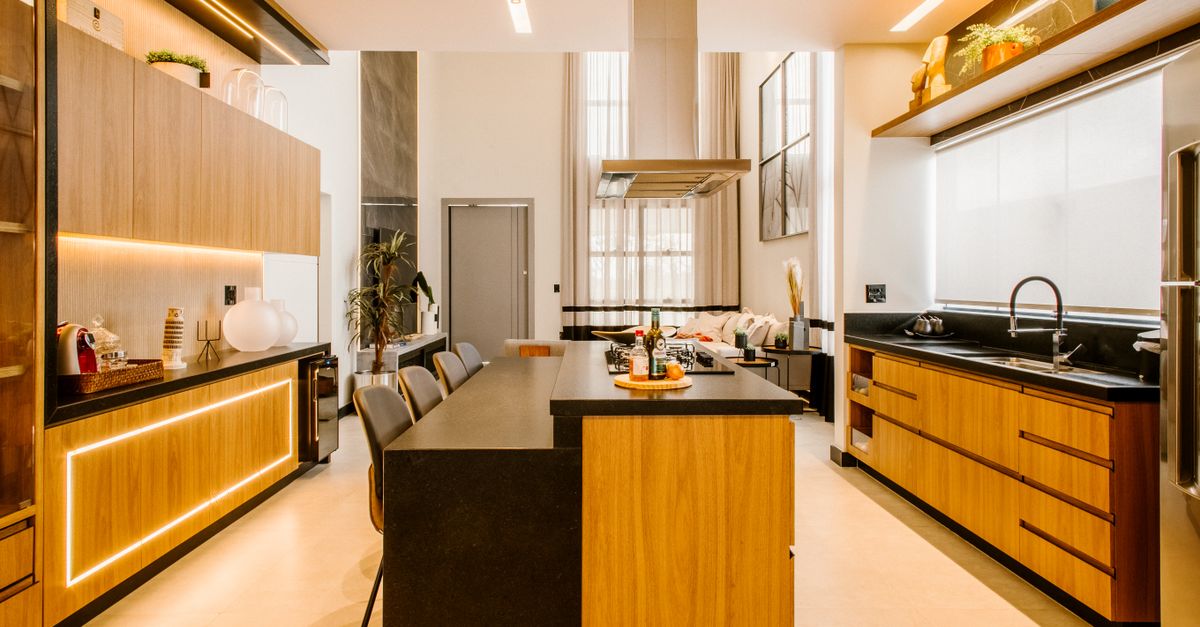
For areas with multiple light sources that need individual adjustment, consider multi-gang smart switches or scene controllers. For instance, in an open-plan kitchen/dining/living area, I might have:
- Zone 1 (Kitchen Recessed Lights): Controlled by a smart dimmer switch.
- Zone 2 (Dining Pendant Lights): Controlled by a separate smart dimmer switch.
- Zone 3 (Living Room Floor Lamps): Controlled by smart plugs or individual smart bulbs.
- Zone 4 (Accent Strip Lights): Controlled by a dedicated smart switch.
This setup allows for granular control. I can dim the dining lights for an intimate dinner, brighten the kitchen lights for meal prep, and then flood the living room with warm light for evening relaxation, all independently. This level of control is impossible with a few scattered smart bulbs and generic wall switches.
Prioritize Tunable White and Color-Changing Options Strategically
Not every light needs to be a full RGB, color-changing disco ball. In a large room, especially, tunable white (the ability to change color temperature from warm amber to cool blue-white) is far more impactful and frequently used than full RGB. The subtle shift in white light can dramatically alter the perception of a large space, influencing mood, perceived spaciousness, and even productivity.
In my own home, the primary ambient lighting in large areas (recessed lights, main ceiling fixtures) are almost exclusively tunable white smart bulbs or fixtures. They allow me to:
- Energize Mornings: A cooler, brighter white (e.g., 4000K-5000K) can help with alertness and focus, making a large space feel vibrant and expansive.
- Relax Evenings: A warmer, dimmer white (e.g., 2200K-2700K) promotes relaxation, making the same large space feel cozy and intimate.
- Match Natural Light: Adjusting the internal lighting to mimic the changing color of natural daylight throughout the day reduces eye strain and supports circadian rhythms.
Where I do incorporate full RGB color-changing bulbs or strips is in specific accent areas. Behind a TV, under a bar, or as uplighting for a large plant, these pops of color can add a dynamic element without overwhelming the entire room. Think of color as a special effect, not the main act. Investing heavily in full RGB for every light in a large room is often overkill and quickly leads to a chaotic or garish aesthetic. Focus on high-quality tunable white first, then layer in color where it makes a deliberate, artistic statement.
Invest in Robust Wi-Fi Coverage Across Your Entire Space
This is the silent killer of smart home dreams, especially in larger homes: inadequate Wi-Fi coverage. You can have the most expensive, feature-rich smart lighting system in the world, but if your Wi-Fi is patchy, your lights will be unreliable, slow to respond, or completely unresponsive. In my experience, a large living space often means more square footage, more walls, and more potential interference, all of which challenge a single router’s capabilities.
Before you even purchase your first smart switch, perform a thorough Wi-Fi audit of your large room. Use a Wi-Fi analyzer app on your smartphone to check signal strength (RSSI) in every corner and functional zone. Look for areas where the signal drops below -65 dBm, as this often indicates potential issues. If you find dead zones or weak spots, a single router is likely not enough. You’ll need to upgrade your network infrastructure.
My strong recommendation for large homes and open-plan spaces is a mesh Wi-Fi system. Unlike traditional extenders that can degrade speed, a mesh system creates a unified network with multiple access points, ensuring strong, consistent coverage everywhere. This is critical for smart lighting because many devices, especially Wi-Fi bulbs, rely on a constant, stable connection. Key considerations:
- Placement: Strategically place mesh nodes to cover all your smart lighting zones. Don’t just place them randomly; think about where your lights are concentrated.
- Bandwidth: Ensure your mesh system can handle the increasing number of smart devices. Each smart bulb or switch consumes a tiny bit of bandwidth, but they add up.
- Reliability: A robust Wi-Fi network is the foundation of any reliable smart home. Skimping here will lead to endless frustration and diminish the ‘smart’ aspect of your lighting.
Remember, your smart lights are essentially tiny computers. They need a stable internet connection to communicate with your hub, voice assistant, and control apps. Don’t let a weak Wi-Fi signal dim your smart lighting aspirations.
Create Dynamic Scenes and Automations, Not Just On/Off Controls
The true power of smart lighting in a large room isn’t just turning lights on and off remotely; it’s transforming the space with a single command or schedule. My experience shows that while individual light control is useful, the real ‘wow factor’ comes from well-crafted scenes and automations that orchestrate multiple light sources in harmony.
Think about how you use your large living space throughout the day and evening. Instead of manually adjusting each light or zone, create scenes that capture those moments:
- ‘Morning Wake-Up’ Scene: Gentle, warm, low-level lighting for the first hour, gradually increasing in brightness and shifting to a cooler white for energy. This might involve dimming recessed lights to 20% and turning on a task lamp at 50% for a reading nook.
- ‘Dinner Party’ Scene: Dining pendant lights at 70% brightness, warm white. Ambient recessed lights at 30% brightness, very warm white. Accent strip lights in the entertainment area subtly glowing blue or amber, at 10% brightness.
- ‘Movie Night’ Scene: TV bias lighting on, main ambient lights off, a couple of floor lamps dimmed to 15% very warm white, and maybe some hidden LED strips adding a subtle glow behind the sofa.
- ‘Goodnight’ Scene: All lights off, or a very low, warm path light to the bedroom for 5 minutes before turning off completely.
Integrate these scenes with your voice assistant (Alexa, Google Assistant, Siri) or smart home hub for effortless activation. Even better, set up automations based on time of day, motion sensors, or even external factors like sunset. For example, my ‘Evening Wind Down’ scene automatically activates 30 minutes before my usual bedtime, gradually dimming lights and shifting them to warmer tones, gently signaling to my body that it’s time to prepare for sleep.
This is where smart lighting truly shines in large spaces: the ability to instantly adapt the entire environment to match your activity or mood, creating a seamless and immersive experience that was previously impossible.
Frequently Asked Questions
What’s the biggest mistake people make when lighting large rooms?
The most common mistake is treating a large room like a small one, just adding more individual smart bulbs without a layered approach. This often results in uneven lighting, high costs, and a lack of atmospheric control, as it doesn’t account for distinct functional zones or the need for a balanced mix of ambient, task, and accent lighting.
Should I use smart bulbs or smart switches for a large room?
For large rooms, a combination is best. Use smart switches or dimmers for hardwired fixtures like recessed lights and chandeliers, as this controls multiple bulbs as one zone, saving money and simplifying management. Reserve smart bulbs for portable lamps where individual color or brightness control is desired.
How important is Wi-Fi coverage for smart lighting in large spaces?
Extremely important. Large rooms often have weak Wi-Fi signals in certain areas, leading to unresponsive or unreliable smart lights. Investing in a robust mesh Wi-Fi system is crucial to ensure consistent coverage and reliable performance for all your smart devices across the entire space.
Do I need color-changing lights everywhere in a large room?
No. While fun, full RGB color-changing lights are often overkill for every fixture. Prioritize tunable white smart lights for ambient and task lighting to adjust warmth and brightness for mood and time of day. Use color-changing options strategically as accent lighting to highlight features or create specific dramatic effects.
How can I make my large room feel cozy with smart lighting?
To make a large room feel cozy, focus on warm, dim lighting. Use smart dimmers to bring down the overall brightness, and shift tunable white lights to a warmer color temperature (e.g., 2200K-2700K). Incorporate accent lighting from lamps or LED strips at low levels to create pools of light, defining intimate zones and reducing the perceived vastness of the space.
Transforming a large living space with smart lighting is a journey of strategic choices, not just adding more gadgets. By approaching your design with thoughtful layering, zonal control, and a robust network foundation, you can create an environment that’s not only functional but truly adaptable and inspiring. Don’t settle for merely bright; aim for brilliant. Start by mapping your space, then build your smart lighting system layer by layer for an unparalleled living experience.