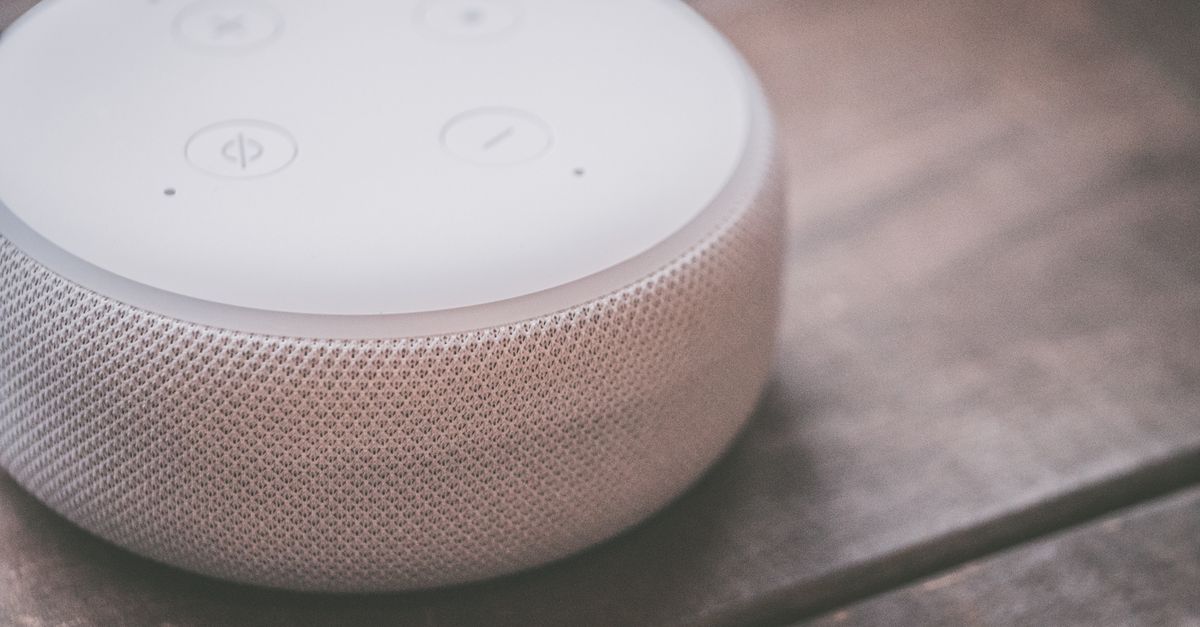
When I first started building my smart home, I was paralyzed by choice. Every new device seemed to use a different wireless protocol, connect to a different hub, and require a different app. I remember spending weeks researching whether I should invest in Zigbee or Z-Wave for my smart lighting, only to discover that the voice assistant I wanted to use didn’t fully support either without a third-party bridge. This constant anxiety about future compatibility and obsolescence is a common trap, especially with the buzz around new standards like Matter and Thread. Many homeowners are now asking if they should hold off on any new smart home purchases, waiting for everything to ‘just work’ with these new protocols. In my experience, waiting for a perfect, unified smart home ecosystem is a costly mistake that delays real convenience and tangible benefits you could be enjoying today. The reality is that no single standard will ever truly eliminate complexity, and delaying upgrades often means missing out on immediate improvements while the technology matures.
Key Takeaways
- Waiting for full Matter and Thread compatibility means delaying tangible smart home benefits and convenience.
- Current smart home devices offer robust, reliable functionality through existing, mature ecosystems.
- Focusing on practical integration with your primary voice assistant yields more immediate value than chasing future standards.
- The real compatibility hurdle is ecosystem lock-in, not necessarily the underlying communication protocol.
The Cost of Waiting for a Unified Standard
The biggest mistake I see most often is allowing the pursuit of a perfectly unified smart home to stall all progress. I’ve spoken with countless homeowners who are still using standard light switches and basic thermostats because they’re ‘waiting for Matter to solve everything.’ The hidden cost here isn’t just delayed convenience; it’s tangible benefits slipping away. For example, a homeowner I recently consulted with had been putting off smart thermostat installation for nearly two years. They were concerned about Matter compatibility, despite their current thermostat being a decade old and inefficient. Over those two years, they likely spent hundreds of dollars extra on energy bills that a smart thermostat could have significantly reduced through intelligent scheduling, geofencing, and occupancy detection. They also missed out on the sheer comfort of remotely adjusting their home’s temperature or automating it based on their daily routine. This isn’t a hypothetical; a well-configured smart thermostat can easily shave 10-15% off heating and cooling costs, a saving that accumulates rapidly.
The promise of Matter is appealing: one standard to rule them all, making devices seamlessly interoperable across different ecosystems like Apple Home, Google Home, Amazon Alexa, and Samsung SmartThings. Thread, on the other hand, is an underlying mesh networking protocol that Matter can use, offering low power consumption and high reliability. These are technically exciting developments. However, the initial rollout of Matter has been slower and more complex than many hoped. Devices that claim Matter support often still require an existing ecosystem hub or a ‘border router,’ and the full breadth of device types and features isn’t immediately available across all platforms. In my experience, the current state of Matter is a promise in progress, not an immediate panacea. Delaying a smart lighting upgrade, for instance, means living in a home with less ambiance, less energy efficiency (if you’re switching from incandescent bulbs), and fewer accessibility options, all while Matter-compatible bulbs are still often premium-priced and limited in selection compared to established Zigbee or Wi-Fi options.
Why Existing Ecosystems Offer Better Immediate Value
While the industry slowly transitions, existing smart home ecosystems have spent years, even a decade, refining their offerings. Companies like Philips Hue, Ring, Arlo, and Ecobee have robust, mature product lines that integrate deeply within their chosen primary voice assistant platforms (Alexa, Google Assistant, HomeKit). Their apps are polished, their integrations are stable, and their customer support is well-versed in their specific hardware. What changed everything for me was realizing that focusing on a single, primary voice assistant ecosystem provides a much more coherent and reliable smart home experience today than chasing the bleeding edge of Matter. If you’re an Alexa user, a Ring doorbell will integrate flawlessly, and a Philips Hue bridge will bring all your lighting into the Alexa app with minimal fuss. These systems have perfected routines, scenes, and conditional automations that are far more advanced than what basic Matter support offers at this early stage. The mistake I see most often is homeowners discarding perfectly good, reliable devices because they aren’t ‘Matter compatible,’ only to find the Matter replacements lack features or stability.
Consider smart locks. If you need a smart lock now for improved security, remote access, or keyless entry, there are excellent Z-Wave and Bluetooth options that integrate with HomeKit, Alexa, or Google Home. Waiting for a Matter-native smart lock might mean waiting another year or more for a truly feature-rich, stable product from a reputable brand. In the meantime, you’re missing out on the ability to lock your door remotely when you forget, or grant temporary access to a pet sitter without physical keys. These are real, daily benefits that outweigh the theoretical future ease of Matter connectivity, especially since many existing smart locks can be made ‘Matter-accessible’ through their respective ecosystem’s Matter bridge functionality anyway. The current maturity of Wi-Fi, Zigbee, and Z-Wave devices within their established hubs means fewer troubleshooting headaches, better device responsiveness, and more comprehensive feature sets.
The True Compatibility Hurdle Is Ecosystem Lock-in, Not Protocols
Matter and Thread are designed to break down walls between ecosystems, but the reality is that the biggest ‘walls’ are often about features and services, not just connectivity. For example, a security camera might offer Matter connectivity, allowing it to show its video feed in different smart home apps. However, the advanced features—like person detection, cloud storage, activity zones, and rich notifications—are almost always tied to the manufacturer’s app and subscription service. These are the aspects that truly lock you into an ecosystem, and Matter does little to change this. What changed everything for me was accepting that choosing a device often means choosing its companion app and its suite of value-added features. The mistake I see most often is homeowners thinking Matter will magically unify the experience across platforms, when it primarily unifies the connection.
When buying, I prioritize devices that integrate deeply with my primary voice assistant and offer robust features within their own app, rather than solely focusing on Matter support. For instance, if I’m investing in a smart lighting system, I’m looking for dynamic scenes, granular control, and integration with my preferred voice commands, not just the ability to turn a bulb on and off via Matter. Philips Hue, for example, uses its own Zigbee bridge. While it’s now Matter-compatible, the full depth of its features (like entertainment sync or specific scene transitions) is still best accessed and managed through the Hue app and bridge. Relying solely on Matter for a device often means sacrificing those advanced functionalities for basic interoperability. The actual trade-off is often between a feature-rich, slightly more complex setup today, and a basic, interoperable setup tomorrow that still requires multiple apps for full functionality.
Strategizing Purchases in an Evolving Landscape
My advice for homeowners navigating this evolving smart home landscape is to adopt a pragmatic, layered approach. First, identify your core needs and the primary voice assistant you intend to use. If you need smart lighting now, don’t wait. Choose a reliable, established system (like Philips Hue, Lutron Caséta, or Wi-Fi bulbs like those from TP-Link Kasa/Meross) that integrates seamlessly with your voice assistant. These systems are robust, perform well, and offer immediate benefits. Second, understand that ‘Matter compatibility’ is often added to existing hardware via firmware updates or a hub acting as a Matter bridge. Many excellent Zigbee and Wi-Fi devices are already receiving these updates or are designed to work through a Matter-enabled hub, meaning you’re not necessarily buying obsolete tech. What changed everything for me was realizing that buying a reliable device today that fulfills a need and integrates with my current ecosystem is a better investment than perpetually waiting for ‘the next big thing.’
For devices where Matter truly offers a significant practical advantage—such as eliminating a hub or bridging entirely, or enabling entirely new cross-platform automations—it’s worth considering. However, for most common smart home categories like lighting, plugs, and cameras, the existing solutions are often superior in terms of feature set, stability, and pricing. The mistake I see most often is chasing the ‘Matter’ label as a badge of future-proofing, only to find the product itself is still in its infancy or that its core features are still tied to its native app anyway. My rule of thumb is this: if a device from a reputable brand meets an immediate need, works well with your chosen voice assistant, and its manufacturer has a track record of supporting their products, then buy it. The tangible benefits and conveniences you gain today will far outweigh the uncertain promise of a perfectly unified standard tomorrow. You can always integrate newer Matter-native devices into your ecosystem as they become truly mature and feature-rich without having to scrap your entire setup.
Frequently Asked Questions
What is Matter, and how does it relate to Thread?
Matter is an open-source connectivity standard designed to enable smart home devices from different manufacturers to work together seamlessly across various smart home ecosystems (e.g., Apple Home, Google Home, Amazon Alexa, Samsung SmartThings). Thread is one of the underlying wireless mesh networking protocols that Matter can use, offering low-power, high-speed, and reliable communication for devices.
Should I wait to buy smart home devices until everything is Matter-compatible?
In my experience, waiting for full Matter compatibility can mean delaying tangible convenience and energy savings. Many existing smart home devices from established brands offer robust functionality and integrate well within their current ecosystems. While Matter promises greater interoperability, its full feature set and stability are still evolving. I recommend buying devices that meet your immediate needs and integrate with your primary voice assistant now, as many current devices will gain Matter compatibility via updates or through a Matter-enabled hub.
Are my current non-Matter smart home devices going to become obsolete?
Not necessarily. Many manufacturers are releasing firmware updates to make existing devices Matter-compatible, often by having their hub act as a ‘Matter bridge.’ This means your current devices may still be able to participate in a Matter-enabled ecosystem. Even without direct Matter support, a well-integrated, reliable device within its existing ecosystem will continue to function as intended.
What are the real benefits of investing in Matter-compatible devices now?
Early Matter-compatible devices offer the potential for easier setup (especially if they don’t require a dedicated hub), improved local control (meaning faster response times and continued functionality even without an internet connection), and basic cross-platform interoperability. However, advanced features are often still tied to the device’s native app, and Matter’s ecosystem integration is still maturing.
How should I prioritize smart home purchases given the new standards?
Prioritize devices that solve an immediate problem or add significant convenience, and ensure they integrate well with your primary voice assistant (e.g., Alexa, Google Assistant). Opt for established brands with good reputations for support and existing ecosystem integration. While Matter is important, focusing on immediate, reliable functionality often provides greater value today than waiting indefinitely for a perfectly unified, future-proof system.
Can Matter truly unify the entire smart home experience, including advanced features?
Matter primarily unifies the connectivity and basic control (like on/off, dimming, temperature setting) of devices across platforms. However, the richer, more advanced features (e.g., specific lighting effects, detailed security camera analytics, custom automation logic) are typically still managed through the device manufacturer’s dedicated app and ecosystem. Expect to use multiple apps for full functionality for the foreseeable future, even with Matter.