For too long, I dismissed smart blinds as an expensive luxury, a futuristic flourish for homes already brimming with automation. My own experience was limited to a single battery-powered roller shade in a guest bedroom, a device I mostly controlled with a wall switch rather than integrating into any broader system. The prevailing narrative around smart blinds always seemed to emphasize convenience: waking up to natural light, closing shades with a voice command, or scheduling privacy. While these benefits are real, they barely scratch the surface of what smart blinds truly offer, especially when it comes to long-term energy savings and home comfort. The mistake I see most often is focusing purely on the ‘smart’ aspect, rather than the fundamental impact on your home’s thermal dynamics. What changed everything for me was tackling the glaring heat gain in my south-facing living room during peak summer afternoons, and the chill that permeated the same room in winter. Traditional blinds and curtains simply weren’t cutting it, and manual adjustment was a constant chore I often forgot. This journey forced me to look past the marketing and delve into the practicalities and surprising efficiencies of automated shading. What I discovered were three often-overlooked truths about smart blinds that dramatically shift their value proposition from mere convenience to essential home management, particularly for energy.
Key Takeaways
- Prioritize wired smart blinds for reliability and faster response, reserving battery models for inaccessible or retrofit scenarios.
- Automated shading, when strategically implemented, can substantially reduce heating and cooling costs by proactively managing solar gain.
- Understand the significant installation differences between wired and battery systems to set realistic expectations and budget accurately.
- Integrating smart blinds with smart thermostats and local weather data creates a powerful, passive climate control system.
Wired Power is a Game-Changer for Performance and Reliability
The most pervasive misconception I encountered when first exploring smart blinds was that battery-powered options were the universally superior choice due to their easier installation. While it’s true that avoiding electrical wiring makes initial setup simpler, this simplicity comes at a significant long-term cost in terms of performance, reliability, and ongoing maintenance. In my experience, relying on battery power for critical windows is a compromise you’ll quickly come to regret, especially if you’re serious about energy management.
Let’s be clear: wired smart blinds are the gold standard. They offer consistent, robust power delivery, leading to faster, quieter motor operation and immediate responsiveness to commands. Think about a wide window, say 10 feet across, with heavy blackout shades. A battery motor on such a shade will struggle, move slowly, and drain its battery at an alarming rate. I’ve seen battery shades on large windows take upwards of 45-60 seconds to fully open or close, accompanied by a noticeable whirring that quickly becomes irritating. A wired motor, by contrast, handles these loads effortlessly, gliding the shades into position in half the time, often with a whisper-quiet hum. The difference in perceived quality and daily satisfaction is night and day.
Beyond performance, reliability is paramount. With wired blinds, you eliminate the constant anxiety of battery drain. Imagine you’ve optimized a routine to close your south-facing blinds every day at 2 PM to prevent heat buildup. If those blinds are battery-powered, and the battery dies, that critical automation fails. The sun pours in, your AC struggles, and your energy bill climbs. With wired power, this simply isn’t an issue. The power is always there, ensuring your schedules and routines execute without interruption. This consistency is crucial for effective energy management, where precise timing can save significant kilowatt-hours.
The initial hurdle of wiring is undeniable. It often means working with an electrician, running new low-voltage wires (typically 24V DC, but sometimes 120V AC for heavier systems) to each window location, and concealing them within walls or trim. This adds complexity and cost to the installation, particularly in existing homes. However, if you’re undertaking a renovation, building new, or have accessible attic/basement/crawl spaces, the added effort is an investment that pays dividends in hassle-free operation for years to come. For example, when I finally upgraded my living room shades, I brought in an electrician who was able to tap into an existing wall outlet circuit to run low-voltage wiring to the three adjacent windows. It was a messy few hours, but now those shades respond instantly, every time, without a single battery worry. For me, the peace of mind and superior performance of wired systems far outweighs the initial installation complexity.
Battery-powered options do have their place, primarily for windows where running wire is genuinely impractical or cost-prohibitive. Think of a single, isolated window in a finished room on an upper floor, or an arch-top window where discreet wiring is impossible. In these scenarios, a battery solution is a necessary compromise. However, I strongly recommend choosing models with easily accessible battery packs that can be swapped or recharged without dismounting the entire shade. Solar charging strips can extend battery life, but they are often insufficient for frequently operated, larger shades, especially in less sunny climates or north-facing windows. If you must go battery, factor in the recurring task of recharging or replacing batteries (every 3-12 months, depending on usage and shade size) and the potential for automation failures if you forget.
Proactive Shading: Your Home’s Invisible Energy Shield
Beyond the sheer convenience, the most impactful, yet often overlooked, benefit of smart blinds is their ability to act as a dynamic, intelligent shield against external thermal forces. This isn’t just about making your home a few degrees cooler or warmer; it’s about fundamentally altering its energy consumption profile. I’ve seen my own summer AC run times drop by roughly 15-20% simply by automating my south and west-facing shades. The savings aren’t just theoretical; they translate directly into lower utility bills and a more consistently comfortable interior climate.
The core principle is managing solar heat gain in the summer and heat loss in the winter. During summer, direct sunlight streaming through windows can rapidly elevate indoor temperatures. A single square foot of south-facing window can admit up to 200 BTU per hour on a sunny day – that’s like having a small electric heater running for every square foot of glass. Your air conditioning system then has to work overtime, consuming significant electricity, to counteract this radiant heat. Smart blinds intercept this heat before it enters your living space. By closing shades on sunny facades during the hottest parts of the day, you significantly reduce the load on your AC.
What truly differentiates smart blinds here is their proactivity and precision. You can schedule them to close incrementally as the sun tracks across the sky, or integrate them with smart home sensors and local weather data. For instance, I have a routine that checks the local UV index and outside temperature. If the UV is above a certain threshold (say, 6) and the outdoor temperature is above 75°F (24°C), my south-facing blinds automatically close. If the temperature drops or a cloud cover is detected, they partially open to allow natural light while still managing glare. This dynamic response is something you simply can’t achieve with manual blinds unless you’re constantly monitoring conditions at home, which most people aren’t.
In winter, the strategy reverses. Maximizing passive solar gain becomes the goal. On clear, sunny winter mornings, I schedule my south-facing blinds to open fully. The sun’s warmth helps pre-heat the room, reducing the need for my furnace to cycle on. Then, as the sun begins to set and outdoor temperatures drop, the blinds automatically close, adding an insulating layer that traps the accumulated heat and prevents radiant heat loss through the glass. High-quality cellular or insulated roller shades further enhance this effect, providing an R-value boost that can be surprisingly effective. The difference between having a bare window and a closed, insulated smart blind can be a reduction of up to 30% in heat loss through that specific window.
It’s important to differentiate between simply having blinds and having smart blinds. Many homeowners have perfectly good blinds that could offer similar thermal benefits, but they don’t use them effectively because it’s a chore. Who wants to run around the house opening and closing 10 different shades multiple times a day? Smart blinds remove this friction, turning an optimal, energy-saving behavior into a set-and-forget automation. This passive, continuous energy management is where the real long-term value lies, far beyond the initial wow factor of voice control.
Seamless Integration: The True Smart Home Potential
The real power of smart blinds isn’t just in their individual automation, but in how seamlessly they integrate with the broader smart home ecosystem. This interconnectedness allows for truly intelligent energy management and personalized comfort, moving beyond simple schedules to responsive, adaptive control. My home’s climate control, for example, transformed from a reactive system to a proactive one once I linked my smart blinds to my smart thermostat and local weather data.
The foundational integration is with your smart home hub (like Apple Home, Amazon Alexa, Google Home, or a dedicated Z-Wave/Zigbee hub). This allows you to group blinds, create scenes (e.g., “Movie Night” scene dims lights and closes blackout shades), and establish basic time-based schedules. But this is just the beginning. The deeper magic happens when you connect them to other sensors and data sources.
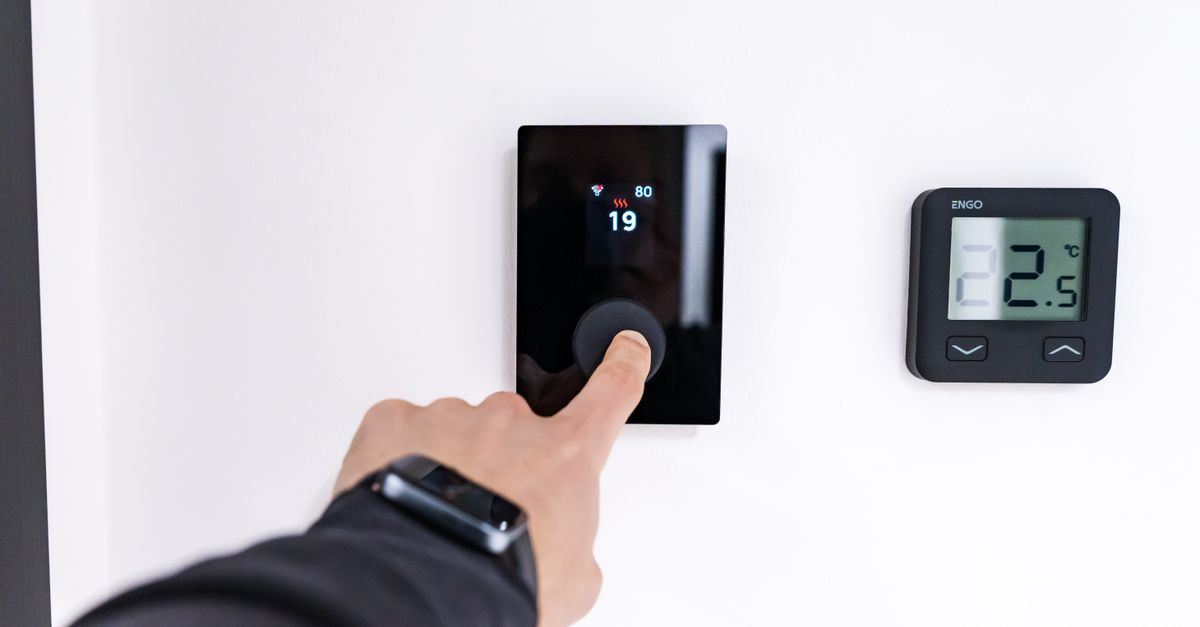
Consider integration with a smart thermostat. Many smart thermostat systems now offer APIs or direct integrations that allow external devices to influence their operation. For instance, if your thermostat detects a rapid temperature increase in a zone that coincides with direct sunlight, it can signal your smart blinds on that facade to close. Conversely, in winter, if the thermostat is struggling to maintain a set temperature while a sunny window is exposed, the blinds could open to leverage passive solar heating before the furnace kicks into a higher gear. I’ve set up such a rule in my home: if the indoor temperature exceeds my cooling setpoint by 2°F (1.1°C) in a sun-exposed room, and the outdoor ambient light sensor indicates bright sun, the blinds automatically lower by 75%. This prevents the AC from engaging unnecessarily, reducing its runtime.
Beyond thermostats, environmental sensors offer even finer control. Outdoor temperature and light sensors, often integrated into weather stations or dedicated smart home devices, can inform your blind automations. As I mentioned, my system checks UV index and temperature. You could also incorporate wind speed, especially for exterior shades, to automatically retract them during high winds to prevent damage. Indoor temperature and humidity sensors in specific rooms can help fine-tune comfort. If a bedroom gets unusually warm in the afternoon, the blinds can close even if a global sun-tracking schedule isn’t active.
Voice assistants add another layer of convenient control, allowing for on-the-fly adjustments. “Alexa, close the living room blinds” is a simple command, but it becomes even more useful when you can say, “Hey Google, it’s too bright in here,” and a routine closes specific blinds, perhaps even dimming lights in parallel. This combination of scheduled, sensor-driven automation with immediate voice control strikes the perfect balance between passive energy savings and active comfort management.
Finally, integrating with presence detection (via smart phone location, motion sensors, or even smart locks) can add a layer of privacy and security. When I leave the house, a routine can close all blinds. When I return, they can partially open to a preferred setting. This not only enhances privacy but also creates the impression of an occupied home, deterring potential intruders.
What you’re building is a dynamic, responsive ecosystem that works in concert to optimize comfort, security, and crucially, energy consumption. This level of intelligent, integrated control moves smart blinds from a standalone gadget to a foundational component of a truly efficient smart home.
Frequently Asked Questions
Do smart blinds really save money on energy bills?
Yes, absolutely, but the savings depend heavily on climate, window orientation, and how strategically you automate them. In hot climates or homes with significant sun exposure, smart blinds can dramatically reduce cooling loads by preventing solar heat gain, leading to noticeable reductions in AC usage. In colder climates, they can help retain heat by adding an insulating layer, especially with cellular or insulated shades, reducing heating demands. My experience saw a 15-20% reduction in summer AC runtime with south and west-facing shades automated to track the sun.
Is it difficult to install smart blinds?
The difficulty varies significantly. Battery-powered smart blinds are generally easier to install, often requiring basic DIY skills for mounting and minimal setup through an app. Wired smart blinds, however, can be more complex, often necessitating an electrician to run low-voltage wiring to each window location. This involves cutting into walls and patching, which adds labor and cost. If you’re building a new home or undertaking a major renovation, running wire for smart blinds is much simpler. Retrofitting wired blinds into an existing, finished home is the most challenging scenario.
Can smart blinds be controlled without Wi-Fi?
Many smart blinds operate on local wireless protocols like Zigbee or Z-Wave, which means direct control via a dedicated hub or remote control can function even if your Wi-Fi is down. However, for remote control via smartphone apps, voice assistant integration, or cloud-based scheduling and advanced automations, a functioning Wi-Fi connection and internet access are typically required. Some battery-powered blinds offer a simple physical remote, which is completely independent of Wi-Fi.
What are the best types of smart blinds for energy efficiency?
For maximizing energy efficiency, cellular shades (also known as honeycomb shades) are often considered among the best due to their insulating air pockets. Blackout or room-darkening roller shades are also highly effective at blocking solar heat gain. When combined with smart automation, these types of shades can provide significant thermal benefits by precisely controlling when they are open or closed to respond to changing weather conditions.
How long do smart blind batteries last?
Battery life varies widely based on the size and weight of the shade, frequency of operation, and battery capacity. Lighter, smaller shades operated once or twice a day might last 9-12 months on a charge. Larger, heavier shades operated frequently could require recharging every 3-6 months. Some systems offer integrated solar charging panels that can significantly extend battery life, sometimes indefinitely, in well-lit windows. It’s crucial to consider the convenience of battery access for recharging when making your purchase decision.
Smart blinds are more than just a convenience; they’re a powerful tool for intelligent energy management, offering tangible savings and enhanced comfort that static window treatments simply cannot match. From the consistent performance of wired systems to their ability to proactively shield your home from the elements and integrate seamlessly with your wider smart ecosystem, the arguments for their adoption extend far beyond mere luxury. If you’re serious about optimizing your home’s energy footprint and elevating its comfort, a deeper dive into smart blinds is a worthwhile investment of your time and resources.