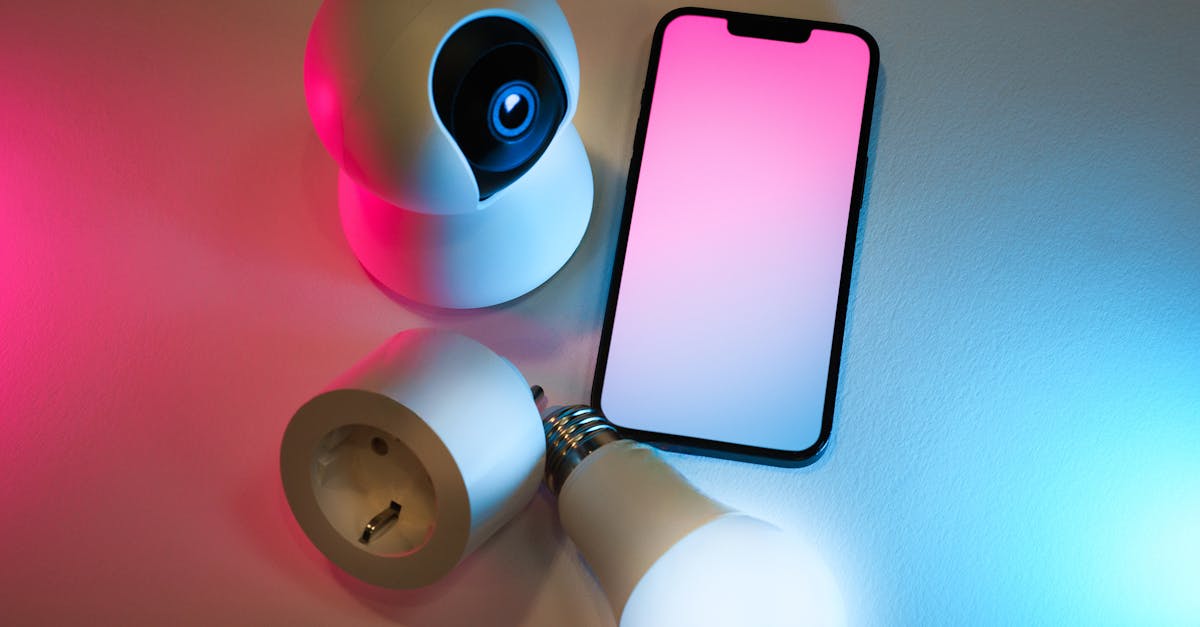
Stepping into the world of smart lighting, many enthusiasts immediately gravitate towards the dazzling array of colors. It’s a natural first step: changing your living room from stark white to a vibrant party blue with a single voice command feels like magic. But in my experience, focusing solely on the RGB spectrum, the reds, greens, and blues, is a common pitfall that ultimately leaves people feeling underwhelmed with their smart lighting setup. The real magic, the nuance that transforms a house into a home, lies not in flashing disco lights, but in mastering color temperature.
Think about it: most of us spend very little time living under neon green or deep purple lights. What we actually crave are spaces that feel inviting, energizing, or calming. This isn’t achieved by a full-color spectrum, but by subtle shifts in white light. The mistake I see most often is users neglecting the profound impact of white light variations, assuming ‘white’ is just one thing. What changed everything for me, and for countless clients I’ve helped, was understanding how to harness the power of tunable white bulbs. This isn’t just about turning lights on and off; it’s about crafting an atmosphere that truly enhances your daily life.
Key Takeaways
- Prioritize tunable white smart bulbs over full RGB for daily ambience, as subtle white light variations create more impactful atmospheres.
- Understand Kelvin (K) ratings to select appropriate color temperatures for different activities and times of day.
- Use warmer temperatures (2200K-3000K) for relaxation and unwinding, and cooler temperatures (3500K-5000K+) for focus and energy.
- Implement a layered lighting strategy, combining tunable white with occasional accent colors, for sophisticated and functional smart home lighting.
Demystifying Kelvin: Your Guide to White Light
When we talk about color temperature in lighting, we’re talking about the Kelvin (K) scale. This isn’t about heat, but about how warm or cool a white light appears. It’s the core concept you need to grasp if you want your smart lighting to feel sophisticated and intentional, rather than just flashy. In my experience, most beginners initially find this technical detail intimidating, but it’s far simpler than it sounds, and utterly transformative once understood.
Imagine a traditional incandescent bulb: that familiar, slightly yellowish glow. That’s typically around 2700K. It’s a warm, inviting light. Now picture the bright, almost bluish light you might find in an office building or a laboratory. That could be 5000K or even higher. The lower the Kelvin number, the warmer (more yellow/orange) the light appears. The higher the Kelvin number, the cooler (more blue/white) the light appears. It’s counter-intuitive for some, as ‘warm’ in temperature usually means higher degrees, but in lighting, it’s the opposite. This spectrum is crucial because it directly influences our mood, productivity, and even our sleep cycles.
The real power of smart lighting, beyond basic on/off, comes from tunable white bulbs. These bulbs allow you to adjust the Kelvin temperature, typically ranging from a very warm 2200K up to a crisp 5000K or 6500K, all from your app or voice assistant. This flexibility is what unlocks genuine atmosphere control, far more so than being able to turn a light green. Don’t fall into the trap of only buying RGBW (Red, Green, Blue, White) bulbs if your primary goal is ambience. Invest in quality tunable white bulbs first, then consider RGBW for specific accent lighting if needed.
Warm Lighting: Creating Comfort and Calm
When I first started experimenting with smart lighting, I made the classic mistake of setting all my bulbs to a generic 4000K ‘neutral white,’ thinking it was the safest bet. My living room felt sterile, my bedroom lacked any warmth, and my evenings felt somehow less relaxing. It wasn’t until I truly embraced the lower end of the Kelvin scale that my home transformed. Warm lighting is your secret weapon for comfort, relaxation, and setting a winding-down mood.
Think of the warm glow of a fireplace or a sunset. These are naturally comforting light sources, and for good reason. From 2200K to 3000K, you’re in the sweet spot for warm light. Here’s how I typically guide people to use it:
- Evening Relaxation (2200K-2500K): This is the warmest, most amber-toned white light. I use this exclusively in my bedroom and living room after 8 PM. It signals to your brain that it’s time to prepare for sleep, promoting melatonin production. The difference this makes to sleep quality is profound. I’ve heard countless stories from users who, after adopting this simple change, found themselves falling asleep faster and feeling more rested.
- General Living & Dining (2700K-3000K): This range mimics traditional incandescent bulbs, offering a cozy and inviting atmosphere. It’s perfect for dinner parties, family gatherings, or just a quiet evening on the couch. It’s warm enough to feel comfortable but not so dim or amber that it feels like a darkroom. In my home, the dining room is almost always set to 2800K for meals.
My advice: start by replacing your most used general-purpose bulbs with tunable white options and set up a routine to shift to warmer temperatures in the evenings. You’ll immediately notice the difference in how your body and mind respond to your environment. It’s a foundational element of a well-lit smart home that many overlook in favor of novelty colors.
Cool Lighting: Boosting Focus and Energy
Just as warm light soothes, cooler light invigorates. This is where the higher end of the Kelvin scale comes into play, creating an environment conducive to concentration, productivity, and alertness. Many people associate cool light with harsh, fluorescent office lighting, and while it can be that, smart tunable white bulbs give you control to make it work for you.
When you move into the 3500K to 5000K+ range, you’re entering the territory of neutral to cool white light. Here’s where I typically leverage these temperatures:
- Home Office & Task Lighting (4000K-5000K): This bright, clean white light is fantastic for workspaces. When I’m deep into writing or managing complex spreadsheets, setting my office lights to 4500K helps me stay sharp and focused. It reduces eye strain by making text and details clearer. I’ve found that people who struggle with afternoon slumps often benefit immensely from bumping up the Kelvin temperature in their work areas during those crucial hours. It’s a non-caffeinated energy boost.
- Kitchen & Utility Areas (3500K-4000K): In the kitchen, where precision and visibility are key for cooking and cleaning, a slightly cooler, neutral white is ideal. It doesn’t have the starkness of a full 5000K, but it provides excellent functional illumination. I generally set my kitchen at 3800K, which feels crisp without being clinical. It helps ensure I’m seeing true food colors and avoiding any accidental nicks while chopping.
- Morning Wake-Up (4000K+ gradually increasing): One of my favorite automations is a gradual morning wake-up routine that starts with a very dim, warm light and slowly increases in brightness and coolness over 30 minutes. By the time I’m ready to get out of bed, the room is filled with a bright, energizing 4500K light. This gentle transition mimics natural daylight and helps set a productive tone for the day, far better than an abrupt, blaring alarm.
The key is intentionality. Don’t blast your entire home with 5000K light all day. Instead, identify specific zones or times where enhanced alertness or clear visibility is beneficial, and program your tunable white bulbs accordingly. This selective use prevents the harshness often associated with cooler lighting while maximizing its benefits.
The Layered Lighting Strategy: Combining Colors and Temperatures
Once you’ve mastered tunable white lighting, you might be tempted to reintroduce those RGB colors. And you should! But with a strategic approach. The most sophisticated smart lighting setups utilize a layered lighting strategy, where tunable white forms the functional foundation, and accent colors add depth and personality. This avoids the common mistake of relying too heavily on color, which can quickly make a space feel chaotic or immature.
My approach usually involves three layers:
- Ambient Layer (Tunable White Primary): This is your main source of light, primarily handled by tunable white bulbs in overhead fixtures, recessed lighting, or large lamps. This layer defines the overall mood and functionality of the room through its Kelvin temperature. For instance, my living room’s main ceiling lights shift from 2500K in the evening to 3500K during the day.
- Task Layer (Tunable White or Focused White): These are lights dedicated to specific activities, like a desk lamp, under-cabinet lighting in the kitchen, or a reading lamp by an armchair. These often use slightly cooler, brighter white light (e.g., 4000K) to provide focused illumination, regardless of the ambient setting. A great example is smart under-cabinet lighting that can switch to 4500K when I’m cooking, even if the general kitchen lights are warmer.
- Accent Layer (RGB, Tunable White, or Specialty): This is where you can have fun with color, but in moderation. Accent lighting draws attention to architectural features, artwork, plants, or specific zones. Think LED strips behind a TV, small smart bulbs in display cabinets, or even a single smart lamp. Here, I might use a subtle warm orange (if the ambient is warm) or a cool blue (if the ambient is cool) to enhance the overall aesthetic, or a specific color for holidays or movie nights. For example, a single smart bulb behind my favorite bookshelf set to a deep, subtle emerald green on movie night provides a pop without overwhelming the entire room.
The key to successful layering is ensuring the accent colors complement, rather than clash with, your primary white light temperature. A warm ambient light paired with a cool blue accent, for instance, can feel discordant. Stick to harmonious color palettes, and remember that less is often more when it comes to RGB accents. The goal isn’t to turn your home into a carnival, but to create sophisticated, dynamic environments.
Smart Routines for Seamless Transitions
Having the right bulbs is only half the battle; integrating them into your daily life with smart routines is where the true convenience and impact come from. Manual adjustments, while possible, become tedious quickly. In my experience, the difference between a good smart lighting setup and a great one lies almost entirely in well-thought-out automations. This is where you bake your understanding of color temperature into your home’s DNA.
Here are some of my go-to routines that leverage tunable white:
- Sunrise Wake-Up: As mentioned earlier, I have a routine that begins 30 minutes before my alarm. My bedroom lights slowly brighten from 1% at 2200K to 80% at 4500K. This gentle transition helps me wake up more naturally and feel more alert when I actually get out of bed. It mimics natural daylight and is far less jarring than a sudden alarm.
- Daytime Productivity: In my home office, the lights automatically shift to 4200K at 9 AM and dim slightly while warming to 3000K at 5 PM. This clearly demarcates work time from wind-down time, helping my brain switch gears.
- Sunset Dimming: This is a crucial one for circadian rhythm. An hour before sunset, my living and dining room lights automatically begin a gradual shift from a daytime 3500K to a cozy 2700K, dimming to about 50% brightness. This prevents the abrupt shift from bright light to darkness that can disrupt sleep patterns.
- Movie Night Scene: A custom scene activates with a voice command, dimming ambient lights to a very low 2400K, turning off task lights, and setting LED strips behind the TV to a deep, subtle blue. This instantly creates a cinematic experience without a single manual adjustment.
- Goodnight Routine: At 10 PM, all non-essential lights in the house dim to 2200K at 5% brightness. A final voice command turns off everything except a bedside lamp, which then automatically turns off after 15 minutes. This ensures no stray lights are left on and provides a consistent signal to my body.
The beauty of these routines is that they happen seamlessly in the background, making your smart lighting an intuitive part of your home, not just a gadget. Take the time to think about your daily flow, identify key transitions, and build routines that support your activities and well-being. It’s a game-changer for enhancing your living space.
Troubleshooting Common Pitfalls
Even with the best intentions, smart lighting setups can encounter issues. In my experience, a few common problems crop up repeatedly, often stemming from overlooking fundamental aspects of color temperature and integration. Addressing these can save you a lot of frustration and make your smart lighting truly shine.
- Inconsistent White Light: Have you ever noticed that the ‘white’ from one smart bulb looks different from another, even if they’re supposedly set to the same Kelvin temperature? This is a common issue, especially when mixing brands. Different manufacturers have slight variations in their white light rendering. My fix: For areas requiring uniform white light (like a row of recessed lights), stick to the same brand and model of bulb. For accent lights or isolated lamps, mixing is less noticeable, but for core ambient lighting, uniformity is key.
- Over-reliance on Brightness: Many people try to adjust mood solely through brightness. While crucial, it’s only half the equation. A very bright 2700K light still feels warm, but a very dim 5000K light will still feel cool and potentially stark. Always pair brightness adjustments with appropriate color temperature adjustments. For example, when dimming for evening, also shift to a warmer Kelvin. When brightening for focus, shift to a cooler Kelvin.
- Ignoring Circadian Rhythm: The most significant missed opportunity I observe is neglecting the natural human response to light. Exposing yourself to bright, cool light late at night can disrupt sleep, while not getting enough bright, cool light in the morning can leave you groggy. Implement time-based routines that automatically adjust color temperature to mimic the natural progression of daylight. This means cooler, brighter whites during the day and warmer, dimmer whites in the evening.
- Connectivity Issues Affecting Transitions: Sometimes, a perfectly designed routine fails because a bulb loses connection. Ensure your Wi-Fi network is robust enough to handle multiple smart devices, especially if you have many smart bulbs. Consider a dedicated smart home hub if your network is congested, as these often use more stable protocols like Zigbee or Z-Wave, which can be less prone to drops than Wi-Fi bulbs.
Addressing these nuances will elevate your smart lighting from a collection of gadgets to a truly integrated system that supports your lifestyle and enhances your home’s atmosphere. It’s about being mindful of the subtle effects of light on your environment and well-being.
Frequently Asked Questions
Can I use regular LED bulbs with a smart dimmer to achieve tunable white effects?
No, a regular LED bulb, even when used with a smart dimmer, can only adjust its brightness. It cannot change its color temperature. To get tunable white effects (shifting from warm to cool white), you need a specific type of smart bulb designed with tunable white capabilities, often labeled as ‘tunable white’ or ‘white ambiance’ bulbs.
What is the best color temperature for general living room lighting during the day?
For general living room lighting during the day, a neutral white around 3000K to 3500K is often ideal. It’s bright and clean enough to support daily activities without being overly warm or starkly cool, providing a balanced and comfortable illumination.
How does color temperature affect mood and productivity?
Warmer color temperatures (below 3000K) tend to promote relaxation, comfort, and a sense of calm, making them suitable for evenings and winding down. Cooler color temperatures (above 3500K) enhance alertness, focus, and energy, making them better for task-oriented areas like home offices or kitchens.
Are full RGB smart bulbs necessary, or can I just use tunable white?
For most daily ambient and functional lighting, tunable white bulbs are more than sufficient and often preferable for creating sophisticated atmospheres. Full RGB capabilities are best used sparingly for accent lighting, special occasions, or creating specific mood effects, rather than as a primary light source.
How can I easily set up routines to change color temperature automatically?
Most smart lighting platforms (e.g., Philips Hue, Google Home, Amazon Alexa, Apple HomeKit) offer robust routine and scene creation tools. You can typically schedule lights to adjust brightness and color temperature based on time of day, sunrise/sunset, or trigger them with voice commands or motion sensors. Experiment with your system’s app to create automated transitions that match your daily schedule.
Mastering smart lighting isn’t about collecting the most colorful bulbs or having the flashiest effects. It’s about understanding the subtle, yet powerful, impact of light on your environment and well-being. By focusing on color temperature, implementing a layered strategy, and leveraging smart routines, you can transform your home into a dynamic, responsive space that truly enhances your daily life. Start by investing in tunable white bulbs for your main living areas, and you’ll quickly see the difference thoughtful lighting can make.