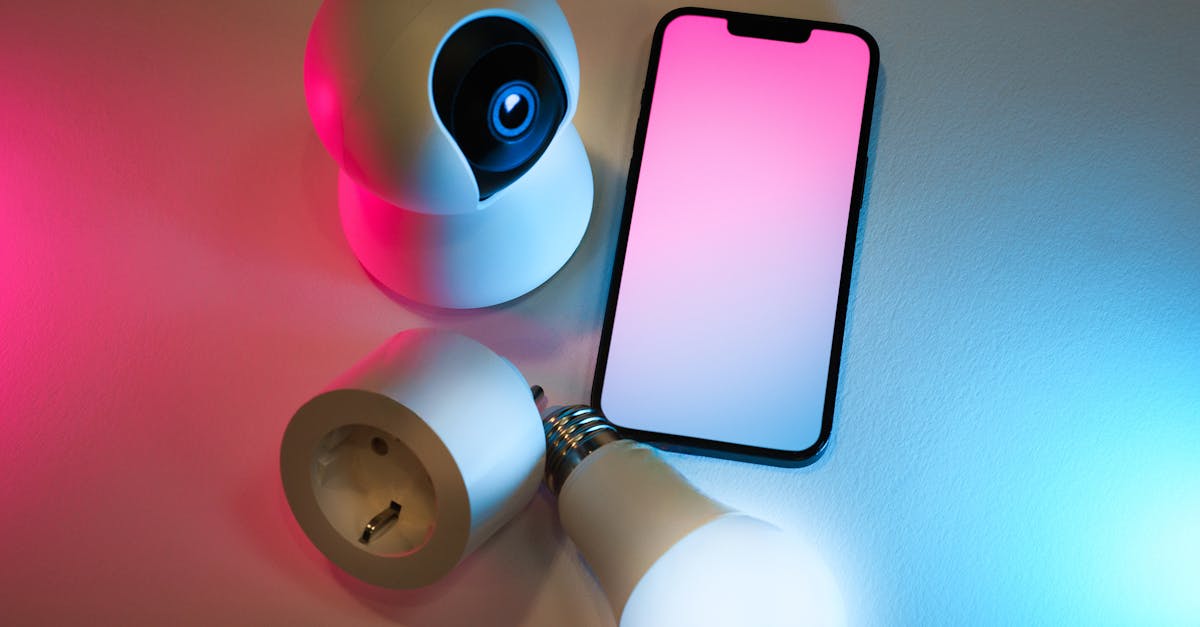
The bedroom should be a sanctuary, a place where the day’s stresses melt away, and restorative sleep comes easily. Yet, in my experience, too many people inadvertently turn their bedrooms into digital battlegrounds or sterile, overlit spaces, especially with smart lighting. The promise of smart bulbs is often just brighter, more colorful light, but the true magic lies in using them to create a deeply personal, calming environment. I’ve seen firsthand how a few intentional adjustments can completely transform a room, moving it from merely functional to genuinely restful.
The mistake I see most often is treating bedroom smart lighting like any other room: defaulting to bright, cool white light for general illumination. While that works for a kitchen or home office, it actively sabotages the very purpose of a bedroom. Your body’s natural rhythms, particularly melatonin production, are profoundly affected by light. Bombarding your eyes with blue-rich light late into the evening tells your brain it’s still midday, making it harder to unwind and fall asleep. What changed everything for me, and for many clients I’ve advised, was shifting the focus from ‘lighting up’ the room to ‘sculpting’ the light, prioritizing warmth, subtlety, and automation.
This checklist isn’t about buying the most expensive gear; it’s about making smart, strategic choices with what you have or what you’re planning to acquire. It’s designed to guide you past the common pitfalls and towards a truly peaceful, sleep-friendly bedroom sanctuary that leverages smart lighting to its fullest potential.
Key Takeaways
- Prioritize warm, dimmable light sources that minimize blue light, especially in the evening.
- Layer different types of smart lights to create depth and eliminate harsh shadows.
- Automate circadian lighting shifts to support your natural sleep-wake cycle.
- Integrate smart lighting with motion sensors or routines for intuitive, hands-free control.
Rethink Your Overhead Fixture: Warmth Over Brightness
The most common culprit for an unwelcoming bedroom is a single, harsh overhead light. In my experience, this fixture is often a relic from a previous tenant or builder, designed for maximum illumination rather than inviting ambiance. With smart lighting, you have the power to entirely redefine its role. Instead of cranking it up to full brightness with cool white light, consider it a foundational layer of soft, warm ambient light.
What truly works is swapping out standard bulbs for smart bulbs that offer a wide range of color temperatures, ideally starting from 2000K (a very warm, candle-like glow) up to 2700K (a standard warm white). The key is to never go above 2700K in the bedroom, especially after sunset. Many smart bulbs allow you to program automatic shifts. For example, my bedroom overhead fixture transitions from a bright 2700K in the morning (for waking up) to a very dim 2200K as I prepare for bed. This isn’t just about personal preference; it’s about signaling to your body that it’s time to relax. The mistake I see most often is people simply dimming a cool white light; while dimmer, it still retains that blue spectrum that inhibits melatonin. Focus on warm color temperatures and low brightness to create a truly inviting base layer.
Layer Your Light: Create Depth, Not Flatness
A single light source, whether overhead or a bedside lamp, creates a flat, often shadowed environment. What changed everything for me in my own bedroom, and something I consistently recommend, is a layered lighting approach. This means combining multiple light sources at different heights and intensities to eliminate harsh shadows and add depth.
Beyond your main overhead fixture, consider adding smart lamps at various points: bedside lamps for reading, a floor lamp in a corner for accent lighting, or even smart light strips behind your headboard or under your bed. Each layer serves a purpose. Bedside lamps, for instance, should have smart bulbs capable of very low dimming – think below 1% for late-night reads without disturbing a partner. A common misconception is that more lights mean more brightness; in fact, more distributed lights allow you to use each one at a lower, more comfortable intensity, creating a soft, even glow. What works is thinking of your bedroom lighting as a painting: you need a background, middle ground, and foreground to make it truly come alive, all controlled individually or in groups via your smart home app or voice assistant.
Embrace Circadian Lighting for Better Sleep
One of the most powerful, yet underutilized, features of modern smart lighting is its ability to mimic natural light cycles. This is often referred to as circadian lighting, and it’s a game-changer for sleep quality. In my experience, implementing this has had a more profound impact than almost any other smart lighting adjustment.
The concept is simple: your smart lights automatically adjust their color temperature and brightness throughout the day to align with your body’s natural circadian rhythm. In the morning, they gradually brighten with a cooler white light (around 4000K-5000K, though I still recommend keeping the bedroom main lights at max 2700K for ‘day’ phase in the bedroom to avoid harshness) to help you wake up. As the day progresses, they might shift to a neutral white (around 3000K-3500K) if you have any task lighting in the bedroom. Crucially, as evening approaches, they warm up and dim significantly (down to 2200K or even 2000K), signaling to your brain that it’s time to prepare for sleep. Many smart lighting systems, like Philips Hue or Nanoleaf, have built-in circadian rhythm features. The mistake I see most often is people thinking they need to manually adjust these settings daily; the beauty is in the automation. Set it once, and your lights become a silent partner in promoting healthy sleep.
Automate for Effortless Ambiance and Intuitive Control
The true brilliance of smart lighting in the bedroom isn’t just in the colors or dimming, but in its ability to fade into the background and respond to your needs without a conscious thought. Automation is key here, moving beyond just turning lights on and off.
Consider routines that: gradually dim your lights 30 minutes before your bedtime, or a ‘Good Night’ routine that turns off all bedroom lights, activates a very dim path light (like a smart light strip under the bed) if you get up in the middle of the night via a motion sensor, and perhaps even arms your smart home security system. Motion sensors, in particular, are incredibly useful in a bedroom context, especially for late-night bathroom trips. A small, battery-powered smart motion sensor linked to a dim, warm light strip under the bed or a very low-power lamp can guide you without blasting your eyes with bright light. The mistake I see most often is people relying solely on voice commands, which can be jarring when you’re trying to unwind or not wake a partner. What works is a blend of pre-set routines, intuitive sensors, and strategically placed smart buttons (e.g., a ‘sleep’ button on your bedside table) for truly effortless control.
Frequently Asked Questions
What is the ideal color temperature for bedroom smart lights?
For bedroom smart lighting, the ideal color temperature should prioritize warmth. Aim for a range between 2000K (a very warm, amber glow) and 2700K (a soft, warm white). Avoid anything above 3000K, especially in the evening, as cooler temperatures can suppress melatonin production and disrupt sleep patterns. Many smart bulbs offer a wide color temperature range, allowing for dynamic adjustments throughout the day.
Can smart lighting actually improve sleep quality?
Yes, smart lighting can significantly improve sleep quality when used correctly. By mimicking natural light cycles (circadian lighting), smart bulbs can help regulate your body’s internal clock. Gradually dimming and warming lights in the evening signals to your brain that it’s time to unwind, while a gentle, brightening, and cooler light in the morning can help you wake up more naturally, leading to more restorative sleep over time.
How many smart lights do I need for a layered bedroom setup?
The number of smart lights depends on your room size and personal preference, but a good starting point for a layered setup includes at least three distinct light sources: one overhead ambient light (even if kept dim), two bedside lamps, and potentially one or two accent lights like a floor lamp or light strips. This allows you to create depth, eliminate harsh shadows, and control different zones for various activities (reading, relaxing, moving around).
Are smart light strips useful in a bedroom?
Absolutely. Smart light strips are incredibly versatile and useful in a bedroom. They are excellent for creating subtle, indirect accent lighting, such as behind a headboard, under the bed, along crown molding, or even inside a closet. They can provide a soft, warm glow that enhances ambiance without being overpowering, making them ideal for a relaxed evening setting or a gentle nightlight when paired with a motion sensor.
Should I use voice control for bedroom smart lights?
Voice control can be convenient for initial setup or occasional adjustments, but for a truly peaceful bedroom sanctuary, I recommend relying more on automated routines and physical smart buttons/sensors. Waking up a voice assistant in the middle of the night or having to speak commands when you’re trying to wind down can be jarring. Pre-set routines (like a ‘Good Night’ sequence) or motion-activated, very dim path lighting are often more intuitive and less disruptive for a sleep-focused environment.
Transforming your bedroom into a true sanctuary with smart lighting isn’t about complexity; it’s about intentionality. By prioritizing warm light, layering your sources, embracing circadian shifts, and automating routines, you can create an environment that actively supports rest and rejuvenation. Don’t just light up your bedroom – sculpt it into a space where calm reigns supreme, and good sleep becomes a nightly ritual.