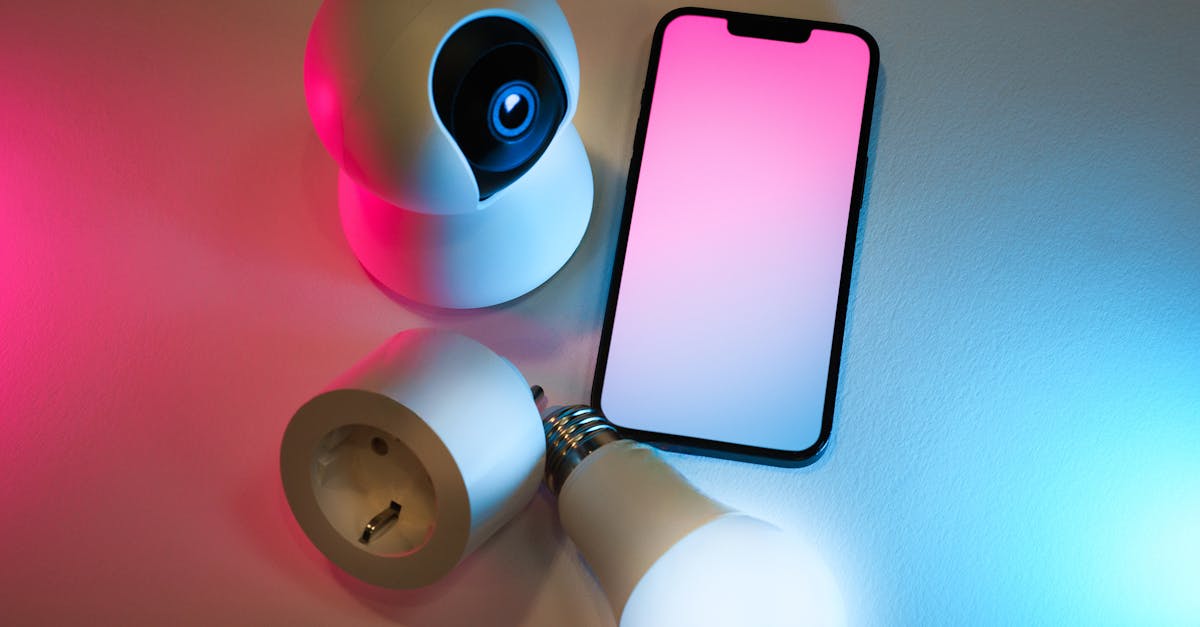
For years, smart bulbs were the undisputed champions of smart home lighting. They offered a simple way to add color, dimming, and scheduling to any lamp, instantly upgrading your space. But then came smart LED strips – thin, flexible ribbons of light that promised an entirely different kind of illumination. Many homeowners, myself included, initially dismissed them as novelty items, perhaps good for a teenager’s gaming setup but not for sophisticated home ambience.
That was my mistake. What I’ve come to realize through countless installations and personal experiments is that smart LED strips aren’t just an alternative to smart bulbs; they’re a complementary, and often superior, tool for achieving specific lighting effects that traditional bulbs simply cannot. The key isn’t to pick one over the other in a blanket statement, but to understand their distinct strengths and how to deploy them strategically. In my experience, the mistake most often made is treating all smart lighting as interchangeable, leading to suboptimal results and wasted investment. What changed everything for me was realizing that each form factor serves a unique purpose in the larger lighting design puzzle.
Key Takeaways
- Smart LED strips excel at indirect, accent, and task lighting, adding depth and visual interest where bulbs fall short.
- Smart bulbs remain ideal for primary overhead lighting and lamps where focused, direct illumination is needed.
- Strategic placement of LED strips, often hidden, creates sophisticated ambience without drawing attention to the light source itself.
- Integrating both strips and bulbs within the same smart home ecosystem unlocks dynamic scenes and comprehensive lighting control.
Indirect Lighting: The Secret to Professional Ambience
The biggest misconception about LED strips is that they are meant to be seen directly. In fact, their true power lies in their ability to deliver indirect lighting. Think about high-end architectural lighting: you rarely see the bulb; you only experience the glow. LED strips mimic this effect beautifully and affordably.
I vividly remember a client who wanted to make their living room feel more luxurious without a major renovation. They had recessed can lights and a few floor lamps, all with smart bulbs, but the room still felt flat. My suggestion was to add smart LED strips behind their large wall-mounted TV, along the top of their crown molding, and under their floating shelves. The difference was astonishing. The strips, completely hidden from view, cast a soft, ambient glow that washed the walls and ceiling in light. This immediately added depth and warmth, making the room feel larger and infinitely more inviting. The recessed cans, now dimmed significantly, became accents rather than primary light sources. This subtle layering is a technique often used by lighting designers and is precisely where LED strips shine – creating a ‘halo’ effect that elevates a space without glaring light sources.
Compare this to trying to achieve the same effect with smart bulbs. You’d need a fixture for every point of light, which would be visible, clunky, and dramatically change the room’s aesthetic in a way that wasn’t about subtle enhancement.
Task Lighting: Focused Functionality Without Clutter
While traditional desk lamps with smart bulbs are excellent for focused illumination on a workspace, smart LED strips offer a less intrusive and more integrated solution for specific task lighting needs, particularly in kitchens and offices. I once struggled with shadowed countertops in my own kitchen, even with bright overhead bulbs. Adding under-cabinet smart LED strips completely transformed my cooking experience.
Installation was straightforward: I chose a high-density strip, ensured it was properly diffused (more on that later), and adhered it to the underside of the upper cabinets. The light was perfectly directed onto the countertops, illuminating my workspace without glare or harsh shadows. Crucially, the light source itself was invisible, maintaining the clean lines of the kitchen. A smart bulb in a puck light would have been an option, but it would have created visible fixtures and potentially uneven light distribution.
In home offices, LED strips can be mounted to the back of a monitor to reduce eye strain, or along the underside of a desk to illuminate papers and keyboards without adding another lamp taking up valuable surface area. This subtle yet powerful application of light is a huge win for functionality without adding visual clutter.
Accent Lighting: Highlighting Features with Precision
Smart bulbs are fantastic for drawing attention to a particular lamp or fixture. Smart LED strips, however, are unparalleled when it comes to accentuating architectural features or decorative elements. They offer a level of precision and subtlety that bulbs simply can’t match.
Consider bookshelves: a smart bulb in an upward-facing floor lamp might cast light towards the shelves, but an LED strip run along the front edge of each shelf, or tucked into a small channel along the back, can perfectly illuminate the books and trinkets on the shelves. I helped a client install strips behind the lip of their built-in bookshelves, set to a warm, low glow. It not only highlighted their treasured book collection but also created a cozy focal point in the room that changed the entire feel of their library. The light was even, gentle, and made the items pop.
Similarly, LED strips can highlight artwork by being discreetly placed around the frame, or bring attention to a fireplace mantel when tucked underneath the edge. The ability to run a continuous, even line of light across a feature is a unique advantage of strips, creating a sophisticated visual effect that draws the eye without revealing the light source.
The Diffusion Dilemma and Ecosystem Cohesion
One common pitfall with LED strips, particularly cheaper models, is that the individual LEDs are visible, creating a ‘dotty’ effect. This instantly cheapens the look. The solution lies in diffusion. Always opt for LED strips that come with a silicone diffuser, or, for more permanent installations, use aluminum channels with frosted covers. These transform the dotted light into a smooth, continuous glow, crucial for achieving that high-end, indirect effect.
Beyond diffusion, consider your smart home ecosystem. In my experience, the biggest frustration arises when different lighting components don’t ‘speak’ the same language. If you’re using Philips Hue bulbs, stick with Philips Hue LED strips (or compatible brands). If you’re invested in the Tuya ecosystem, find strips that integrate seamlessly with it. This ensures that your entire lighting setup can be controlled from a single app, voice assistant, or set of routines, unlocking the full potential of dynamic scenes where bulbs and strips work in harmony.
For example, I have a ‘Movie Night’ routine where my overhead smart bulbs dim to 10%, my TV-backlighting LED strip shifts to a deep blue, and a hidden LED strip under my entertainment console glows a warm orange. This cohesive experience is only possible when all devices are part of the same, well-integrated smart home platform.
Frequently Asked Questions
Are smart LED strips as bright as smart bulbs?
Smart LED strips can be very bright, especially higher-density strips with more LEDs per foot. However, they are typically designed for ambient, accent, or task lighting, not as primary room illumination in the way a single smart bulb in an overhead fixture might be. While a long, powerful strip can certainly flood a small area with light, their strength is in their even, often indirect, distribution rather than sheer lumen output from a single point.
Can smart LED strips be cut to size?
Most smart LED strips are designed to be cut at specific marked intervals, usually every few inches. This allows for precise customization to fit various spaces. Always check the manufacturer’s instructions for the correct cutting points and ensure you’re using compatible connectors if you plan to reattach segments or extend the strip.
Do smart LED strips use more energy than smart bulbs?
Generally, smart LED strips are highly energy-efficient, similar to smart bulbs, as both utilize LED technology. The total energy consumption will depend on the length of the strip and its brightness settings. A long, brightly lit strip might consume more power than a single smart bulb, but often, the ambient effects achieved with strips allow for lower overall brightness settings, potentially balancing out the energy usage.
Where are the best places to install smart LED strips?
Prime locations for smart LED strips include behind TVs, under kitchen cabinets, along the underside of shelves, behind crown molding or headboards, under beds, and even as subtle backlighting for desks or mirrors. The goal is often to hide the strip itself while showcasing the light it casts, creating a sophisticated, indirect glow.
Can smart LED strips change colors like smart bulbs?
Yes, nearly all smart LED strips offer a full spectrum of colors (RGB) and often tunable white light (CCT), just like their smart bulb counterparts. This allows for dynamic scene creation, mood lighting, and integration into existing smart home routines for personalized ambience.
Conclusion
The choice between smart LED strips and smart bulbs isn’t a zero-sum game; it’s about understanding their unique strengths and deploying them intelligently. Smart bulbs are the workhorses for direct, functional light, while smart LED strips are the artists, painting your space with subtle, indirect glows that elevate ambience and highlight architectural details. By strategically combining both within a unified smart home ecosystem, you can move beyond basic on/off control to create truly dynamic and sophisticated lighting experiences. Start by identifying areas in your home that could benefit from indirect accent lighting, then explore how a well-placed LED strip can transform that space in a way no bulb ever could.